Is Antigua Safe? An Honest Traveler's Guide
Antigua carries the lowest travel warning the United States issues, and the United Kingdom flags nothing to avoid. That surprises people who half-remember an alarming headline. The honest picture is an easygoing island where the real hazards are sunburn, rip currents and the odd opportunist, not violence aimed at visitors.
Visit Nelson’s Dockyard, Shirley Heights and Devil’s Bridge in one guided drive. Discover Round Island Highlights
Search "is Antigua safe" and the algorithm serves up a strange mix: glossy resort brochures next to forum threads with scary titles. The gap between the two confuses people. So here is the plain version, grounded in what the governments who track this actually publish, followed by the practical stuff that decides whether your own trip goes smoothly.
Booking Choice: Visit Nelson’s Dockyard, Shirley Heights and Devil’s Bridge in one guided drive. Check Dates: Round Island Highlights
The short version: Antigua and Barbuda is a low-risk Caribbean destination. The United States rates it Level 1, the lowest tier, and the United Kingdom issues no warning against travel. There is no "do not travel" order. Take the ordinary precautions you would on any beach holiday, respect the sea and the sun, and you are very likely to have an uneventful, easy time.
Where Antigua sits on the US travel-advisory scale
Antigua and Barbuda is rated Level 1, the lowest of four US advisory tiers. The UK issues no warning against travel. There is no "do not travel" order.
Is Antigua Safe To Visit Right Now?
Yes. Antigua and Barbuda is considered a safe, low-risk Caribbean country. The United States places it at Level 1, Exercise Normal Precautions, the lowest of its four advisory tiers, and the United Kingdom does not warn against travel there. The vast majority of visits pass without any incident, and the everyday risks are petty theft, road conditions, strong sun and the sea, not violent crime.
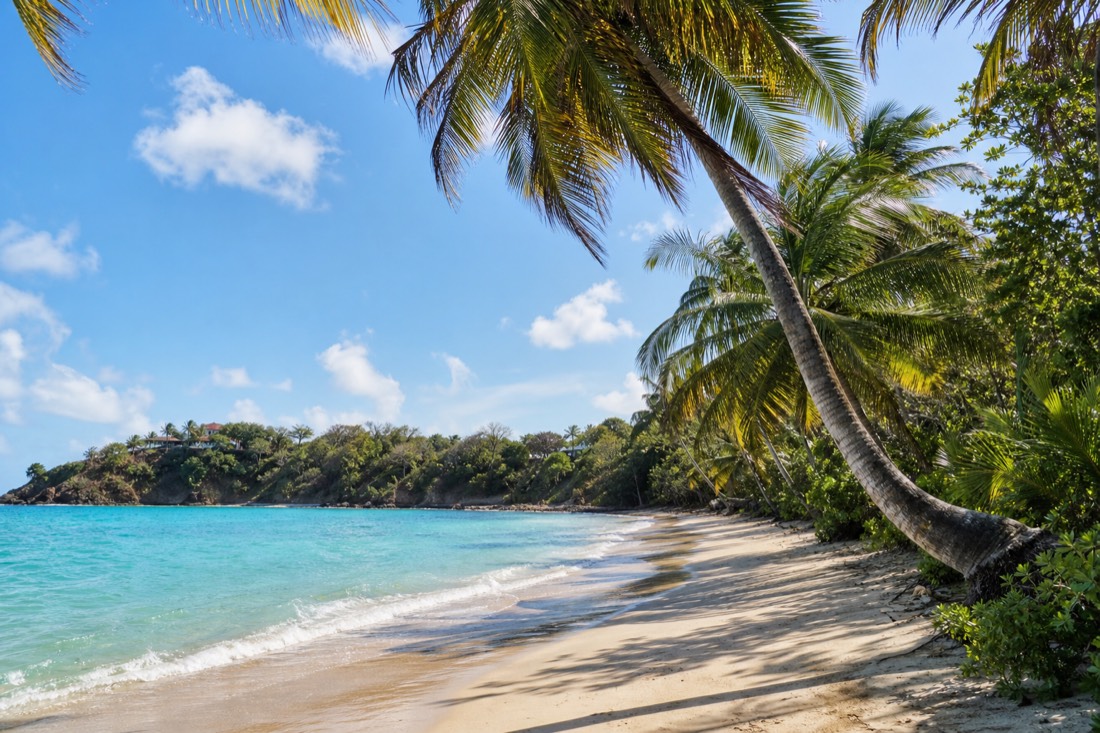
Antigua's economy runs on visitors. Cruise ships call at St. John's most days in season, resorts line the leeward coast, and yachts fill English Harbour. That matters for safety in a practical way: the island has every reason to keep tourists comfortable, and the parts of it you actually spend time in, the beaches, the historic sites, the boat docks, are used to welcoming outsiders.
None of that means switching your brain off. "Safe" here means the same thing it means at home: aware, not anxious. You lock the car, you do not flash valuables, you check the water before you swim. Do that and Antigua rewards you with one of the more relaxed corners of the Caribbean.
What Do The Official Government Advisories Actually Say?
Both major English-speaking advisories rate Antigua low. The US State Department keeps Antigua and Barbuda at Level 1, Exercise Normal Precautions, which is the calmest of four levels. The UK Foreign, Commonwealth and Development Office publishes practical safety notes but issues no advisory against travel. Neither government is telling anyone to stay away.
The US system runs from Level 1 to Level 4, and Antigua sits at the very bottom of it, the same tier used for most of Western Europe. You can read the current notice yourself on the US State Department travel advisory for Antigua and Barbuda, and the UK's plain-language version on the FCDO foreign travel advice page. Both are worth a two-minute skim before any trip, because they are updated when conditions change and they are free.
Here is the whole US scale, so the Level 1 rating has context rather than sitting in a vacuum:
| US advisory level | What it means | Typical destinations | Antigua? |
|---|---|---|---|
| Level 1 | Exercise Normal Precautions | Most of Western Europe, Canada, Japan | Yes, this is Antigua |
| Level 2 | Exercise Increased Caution | Many popular travel countries with specific risks | No |
| Level 3 | Reconsider Travel | Places with serious safety concerns | No |
| Level 4 | Do Not Travel | Active conflict or extreme danger zones | No |
Advisory levels do move over time, so treat the tier as current guidance rather than a permanent fixture, and check the two links above close to your travel dates. As things stand, Antigua is firmly at the reassuring end of the scale.
Is There Really A "Do Not Travel" Warning For Antigua?
No. There is no "do not travel" order for Antigua and Barbuda, from the US, the UK or any comparable government. The phrase circulates because "do not travel" is Level 4 language that belongs to conflict zones, and it gets loosely attached to unfamiliar destinations online. Antigua is at Level 1, four steps away from that.
This misconception is common enough that it is worth naming directly. A "do not travel" or "do not visit" list, in the technical sense governments use, is reserved for the most dangerous places on earth, active war zones, regions with kidnapping risk, states without functioning emergency services. Antigua, a stable parliamentary democracy with a tourism-first economy, is nowhere near that category. We unpack exactly where the rumour comes from in our companion piece on why people think Antigua is on a "do not travel" list.
| What people believe | What is actually true |
|---|---|
| "Antigua is on a do-not-travel list" | It sits at Level 1, the lowest US advisory tier |
| "The UK warns against visiting" | The FCDO issues no advisory against travel |
| "'Do not travel' means the country is dangerous" | That is Level 4 language for active conflict zones |
| "A storm advisory bans travel to the island" | Weather notes are seasonal, situational and short-lived |
What can happen, and this is true of the whole Caribbean, is a temporary weather advisory during hurricane season, or a specific note about, say, swimming conditions after a storm. Those are situational and short-lived. They are not a blanket warning against the country, and they should not be read as one.
What Crime Should Travelers Actually Watch For?
The realistic risk is petty, opportunistic theft: unattended bags on the beach, valuables left visible in a parked car, phones on a bar table. Serious crime against tourists is uncommon, and most of it is avoidable with ordinary care. The rule of thumb is simple: do not leave anything you would miss unattended, and do not make yourself the easy target in the row.
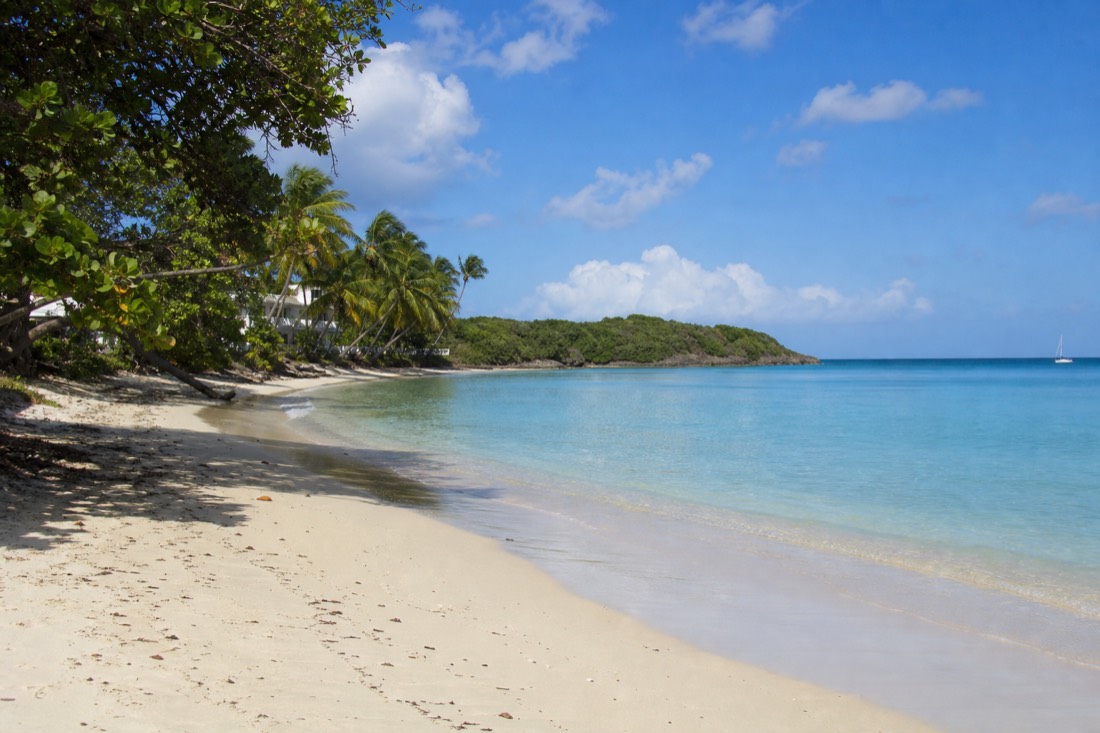
Beaches are the classic soft spot. Every beach in Antigua is public, which is wonderful for access and means anyone can walk any stretch of sand, including the person eyeing your daypack while you swim. The fix is boring and effective: take turns in the water, leave the good jewellery at the hotel, and carry only the cash you need. Resort safes exist for a reason.
The other classic is the rental car left in a quiet trailhead lot with a camera bag on the seat. Treat parked cars as empty display cases. At night, stick to lit, populated areas, use a licensed taxi rather than walking unfamiliar roads, and be a little more careful in and around St. John's after dark, as you would in any small city. None of this is Antigua-specific fear, it is the same checklist you would run in any holiday town.
| Situation | What to watch for | Simple precaution |
|---|---|---|
| Beach day | Unattended bags while you swim | Take turns; bring only what you can lose |
| Rental car | Smash-and-grab of visible valuables | Leave nothing on the seats; use the boot |
| St. John's after dark | Quiet, unlit streets | Stick to lit areas; take a licensed taxi |
| Bars and nightlife | Phones and wallets left out | Keep valuables on you; watch your drink |
| ATMs | Being observed withdrawing cash | Use machines inside banks by day |
A quieter way to sidestep most of this is to spend your active days on guided trips where the transfers, the gear and the timing are handled and your valuables stay in one supervised place. Our fuller rundown of what to be careful of in Antigua goes deeper on the day-to-day details.
Is It Safe To Drive In Antigua?
Driving is the risk most visitors underrate. Antigua drives on the left, roads are often narrow, unlit and potholed, signage is thin, and goats, cattle and pedestrians share the tarmac. It is manageable if you are confident on the left and drive slowly by day, but plenty of travelers skip the rental entirely and let a driver or a tour handle the roads.
If you have never driven on the left, Antigua is a demanding place to learn. Add roundabouts, blind corners on hilly back roads, and the odd stretch of missing streetlight, and a relaxed island drive can get stressful fast. Visitors need a local temporary driving permit, usually arranged through the car-hire company, so factor that in. Speeds are low across the island, which helps, but the surface and the wandering livestock keep you on your toes.
A prearranged return taxi or evening transfer avoids the need to drive after a drink. Road conditions and travel delays still apply, so agree the return pickup in advance.
| Driving factor | The reality | How to handle it |
|---|---|---|
| Side of the road | Drive on the left | Go slow; give yourself the first day to adjust |
| Road surface | Narrow, potholed, patchy signage | Low speeds; a phone map loaded offline |
| Lighting | Many rural roads are unlit | Avoid night driving; take a taxi instead |
| Animals and pedestrians | Goats, cattle and people on the road | Expect the unexpected around blind bends |
| Permit | A local driving permit is required | Arrange it through the rental company |
How Safe Is The Sea, And What About Rip Currents?
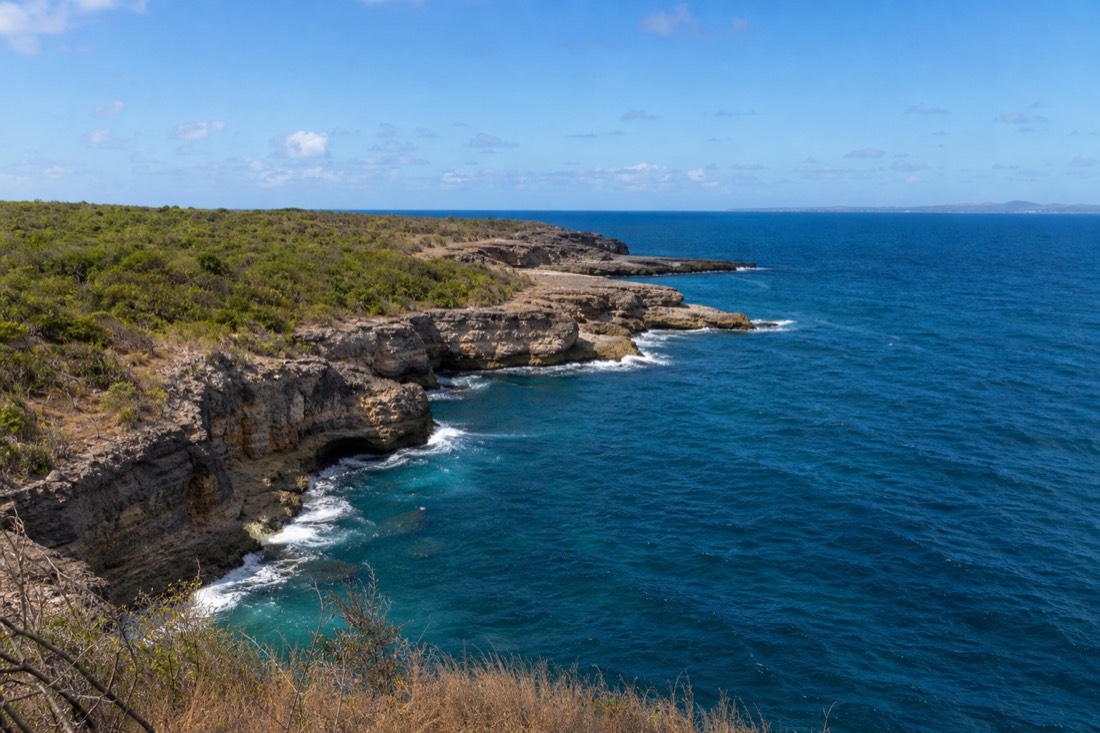
Water conditions vary around Antigua. The exposed Atlantic coast can have strong surf and currents, and sheltered beaches are not guaranteed calm. Check local conditions and warnings, stay within your abilities and avoid swimming after alcohol.
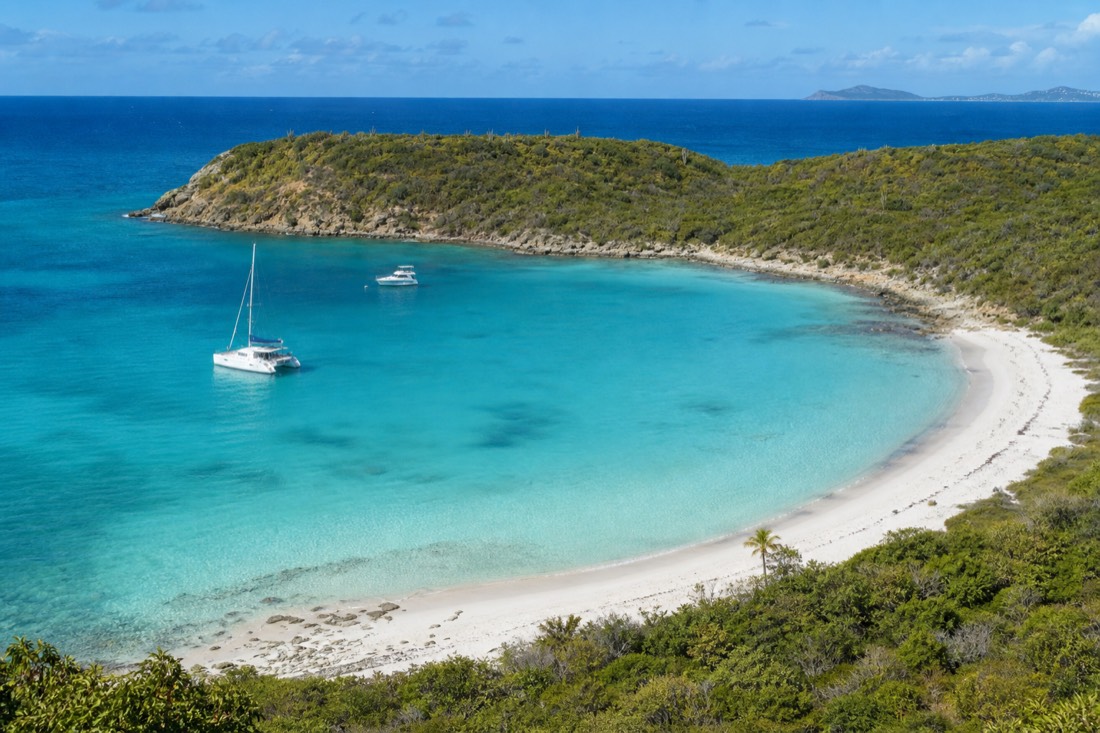
The island's geography does a lot of the safety work for you. The trade winds blow from the east, so the eastern shore takes the swell while the western and northern beaches sit sheltered. That is why the classic swimming beaches, Dickenson Bay in the north, Darkwood and Morris Bay in the southwest, are reliably flat, and why the dramatic Atlantic beaches out east are for photos and bodysurfing more than a lazy float. If you want the full breakdown by coast, our guide to the island's calm-water and surf beaches, ranked lays it out.
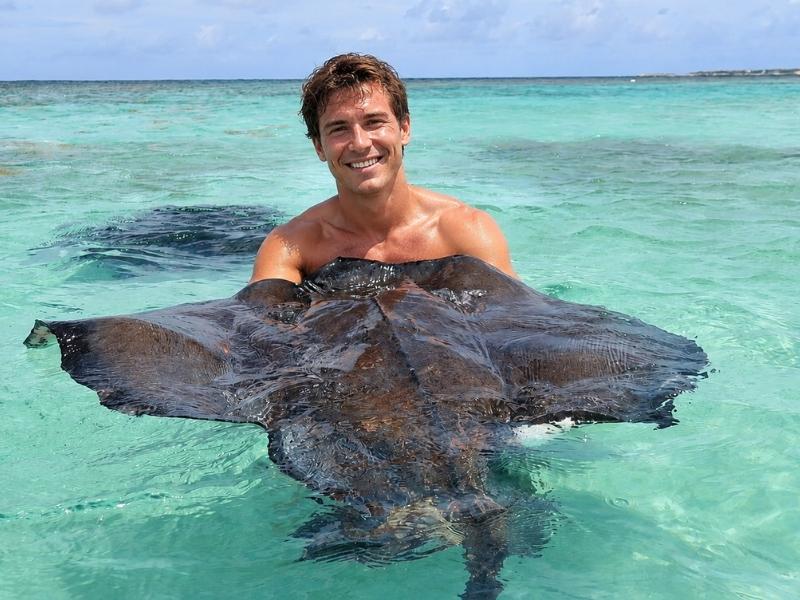
Rip currents are the specific hazard to understand. If you are ever pulled away from shore, do not fight straight back against it: stay calm, float, and swim parallel to the beach until you are out of the pull, then angle in. Beaches here rarely have lifeguards, so pick calm leeward water, swim near other people, and keep an eye on children every minute. Snorkeling and stingray trips run with in-water guides and flotation, which is one reason a guided outing on the water is often the safer way to get in the sea. Our Stingray City visitor guide covers how those supervised swims work.
| Coast or condition | Sea state | Swimming | What to do |
|---|---|---|---|
| North and west (leeward) | Calm, sheltered | Safe and easy | The reliable choice for a swim |
| Southwest, reef-backed | Calm, reef-protected | Safe and clear | Good for families and snorkeling |
| East (windward Atlantic) | Surf and rip currents | For strong swimmers only | Stick to the sheltered corners |
| Any coast after a storm | Churned up, murky | Poor | Wait for the sea to settle |
| Any beach at night | Unlit, unpatrolled | Avoid | Never swim alone or after drinking |
How Dangerous Is The Antigua Sun?
The sun is the injury you are statistically most likely to bring home. Antigua sits deep in the tropics, so the UV is fierce year-round, even on hazy days and in the water. Sunburn, heatstroke and dehydration ruin more holidays here than anything criminal. Reef-safe sunscreen, a hat, shade in the middle of the day and steady water intake handle almost all of it.
People underestimate tropical sun because the sea breeze keeps them cool while they cook. Pale sand and clear water bounce UV straight back up at you, so you burn from below as well as above. Reapply sunscreen after every swim, wear a rash guard for long snorkels, and treat 11am to 3pm as shade-and-water time rather than peak tanning hours. Reef-safe formulas matter both for your skin and for the coral you came to see.
Dehydration sneaks up the same way. Between the heat, the sea and the odd rum punch, it is easy to end a beach day with a headache that is really just fluid loss. Carry water, especially on active tours and boat trips where there is no shop, and go easy on alcohol until the swimming is done, which, not coincidentally, is exactly the rule the boat crews enforce.
When Is Hurricane Season, And Does It Make Antigua Unsafe?
The Atlantic hurricane season runs June 1 to November 30, with the peak risk from August through October. Most days in that window are simply hot and sunny, and a direct hit on any one island in a given year is far from guaranteed. The season is a reason to buy travel insurance and watch the forecast, not a reason to avoid Antigua.
The official season dates come from the US National Oceanic and Atmospheric Administration. You can follow live tropical outlooks through NOAA's National Hurricane Center in the run-up to a trip. Storms are tracked days in advance, so you are very unlikely to be caught unaware; the practical impact of the season is usually a rainy afternoon, cheaper rates and thinner crowds, not a catastrophe.
That said, if you travel in the peak months, do two things. Buy a travel insurance policy that covers weather disruption and cancellation, and keep your plans flexible in the final week before departure. For most visitors the trade-off is worth weighing against price and crowds, which is exactly what our best time to visit Antigua guide works through month by month.
| Season window | Hurricane risk | What travel is like |
|---|---|---|
| December to April | Effectively none | Peak season: dry, breezy, busiest and priciest |
| May and June | Very low, season just opening | Warm, greener, quieter, good value |
| July to October | Highest, peaks Aug to Oct | Hot and humid; watch forecasts, insure the trip |
| November | Winding down | Risk fading, shoulder-season prices |
Is Antigua Safe For Solo Travelers, Women And Families?
Solo travelers, couples and families have different circumstances and support needs. Check the current advice, use licensed transport, protect valuables and supervise children around water.
Solo and women travelers report the ordinary Caribbean experience: friendly, occasionally forward, rarely threatening. Standard sensible habits apply, share your plans with someone, favour licensed taxis over walking unlit roads late, and keep an eye on your drink in bars. The island's small scale actually helps, since almost everywhere worth going is a short, well-travelled hop from the resorts and the port.
Families need close supervision around water. Stingray City is around 1.4–1.45 metres deep, so children and shorter adults may not be able to stand. Confirm flotation and assistance with the operator before booking.
| Traveler | Risk picture | Key precaution |
|---|---|---|
| Solo travelers | Low; the usual care applies | Share your plans; licensed taxis after dark |
| Women travelers | Low; occasional forward attention | Standard vigilance; keep an eye on your drink |
| Families with children | Sun and water come first | Constant water supervision; full sun cover |
| LGBTQ+ travelers | Generally trouble-free for visitors | Resorts are welcoming; attitudes vary in villages |
| Older travelers | Low; heat is the main factor | Pace the day, hydrate, take midday shade |
What Are The Practical Safety Precautions For An Antigua Trip?
Most of staying safe in Antigua comes down to a short, dull checklist done consistently. Protect against sun and sea first, since those are the likeliest problems. Guard your valuables casually but consistently. Sort transport so you are not driving unlit roads at night. And keep the right documents, insurance and emergency numbers to hand. Do these and you have covered the real risks.
The list below is the whole game. None of it is dramatic, which is the point: Antigua does not demand vigilance so much as ordinary good habits kept up for a week.
- Wear reef-safe sunscreen, a hat and a rash guard, reapply after swimming, and drink water steadily through the day.
- Swim on the calm leeward coast, never alone or after drinking, and if caught in a current, float and swim parallel to shore.
- Keep valuables in the hotel safe; carry only the cash you need and never leave bags unattended on the beach or seats in a car.
- Avoid driving unlit rural roads at night; use licensed taxis or tours with return transfers instead.
- Buy travel insurance that covers medical care and weather disruption, especially in hurricane season.
- Save the local emergency number and your accommodation's contact, and note the nearest clinic to where you are staying.
- Check the current US and UK advisories close to your travel dates so you have the latest official picture.
If handling all of that yourself sounds like work, it is the reason so many people simply book guided Antigua tours for their active days: the driving, the sea safety, the gear and the timing come built in, and you keep your attention on the island rather than the logistics. A relaxed, low-stress way to see the highlights is to let our team run the island day for you while you enjoy it. For a first outing, the supervised small-group land-and-sea stingray tour is a gentle, well-run introduction, and you can check live availability and prices on the operator's listing.
So, Is Antigua Safe? The Honest Bottom Line
Antigua is safe by any reasonable measure: the lowest US advisory tier, no UK warning against travel, and no "do not travel" order anywhere in sight. Treat it like any beach holiday. Respect the sun and the sea, keep casual hold of your belongings, sort your transport, and the odds are overwhelmingly that your only souvenir of any danger is a slightly pink nose.
The fear that brings people to this question is almost always misplaced. What actually catches visitors out is sunburn, a scary moment in Atlantic surf they should not have swum in, or a phone left on a bar. Every one of those is preventable with the checklist above. The violent-crime nightmare that the phrase "do not travel" conjures is simply not the Antigua that the governments who monitor it describe, or the one that hundreds of thousands of visitors experience each year.
Go, in other words. Book the boat trip, watch the sunset from Shirley Heights, float in the leeward shallows. If you would rather have the practical safety handled for you, our guided day trips from St. John's fold the transfers, the water supervision and the timing into the day, so the only thing left to plan is which beach comes first. For where to point your energy once you have arrived, our roundup of the best things to do in Antigua is the natural next stop.