What To Be Careful Of In Antigua?
Antigua runs on island time and thin traffic, so its hazards look nothing like a big-city warning list. What actually catches visitors out is smaller, and easy to plan around.
Visit Nelson’s Dockyard, Shirley Heights and Devil’s Bridge in one guided drive. Discover Round Island Highlights
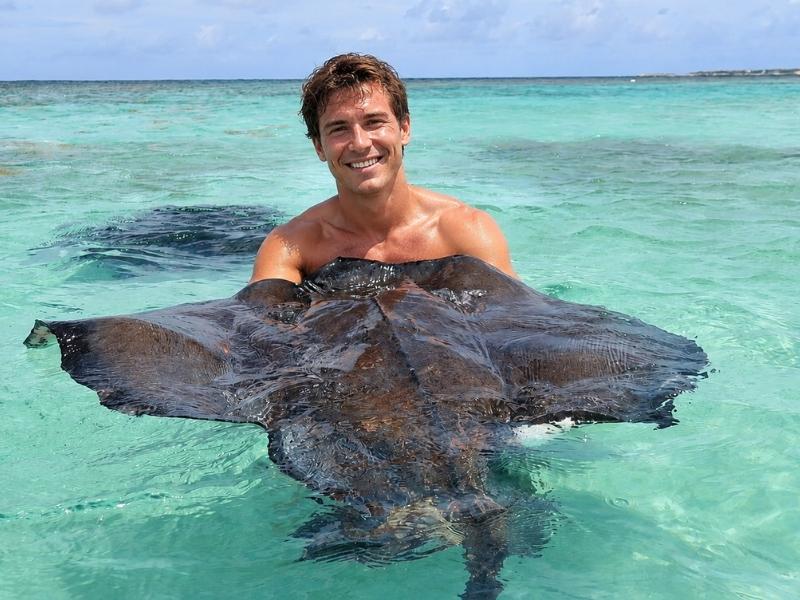
The short answer: Antigua is a low-risk destination, rated US State Department Level 1 with no UK warning against travel, so most of what to watch for is ordinary island stuff. Keep an eye on petty theft from unattended bags, drive carefully on the left along unlit roads, respect the strong Atlantic-side currents, cover up against the sun, and plan around storm season. Serious crime against visitors is uncommon.
Antigua's real risks, and the habit that neutralises each
The genuine watch-list is short and low-to-moderate. Every risk pairs with one simple precaution. Antigua holds a US Level 1 advisory.
What Should You Actually Be Careful Of In Antigua?
The real watch-list is short and undramatic: opportunistic theft, unfamiliar driving conditions, the power of the Atlantic coast, tropical sun, and seasonal weather. None of it points to a dangerous place. The US rates Antigua and Barbuda Level 1, its lowest advisory, and the UK Foreign Office does not warn against visiting, so the mindset to bring is care, not fear.
Booking Choice: Visit Nelson’s Dockyard, Shirley Heights and Devil’s Bridge in one guided drive. Check Dates: Round Island Highlights
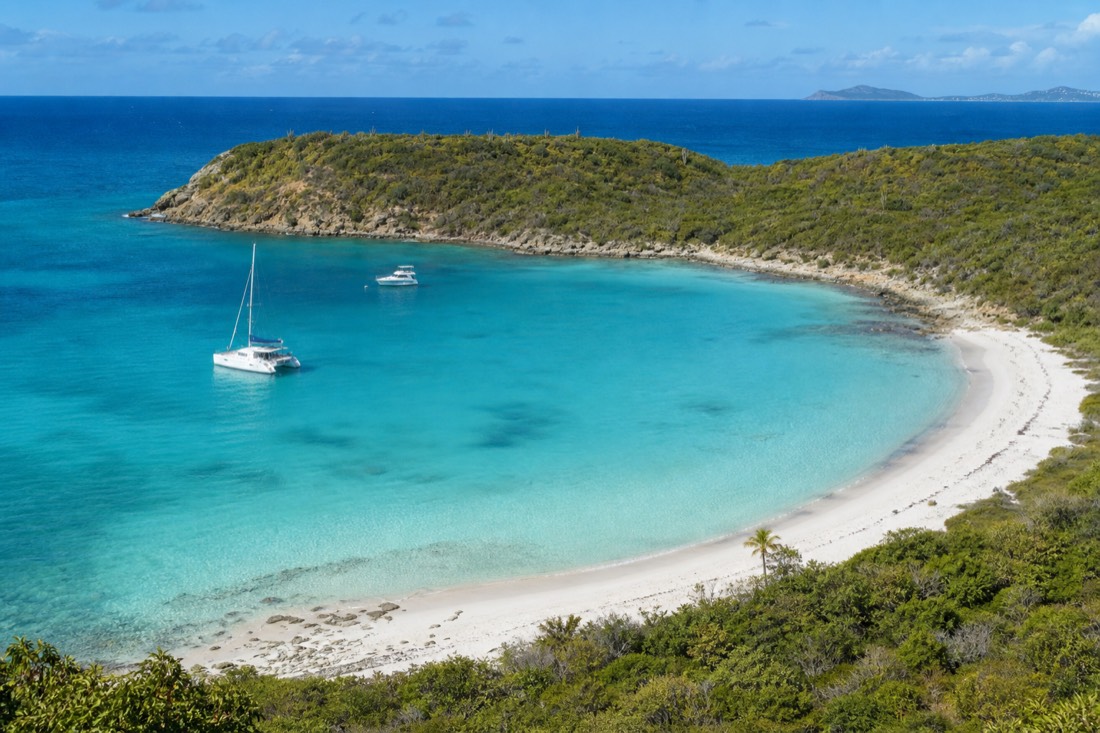
Antigua's safety picture is close to that of any well-run Caribbean island. You can confirm the baseline yourself on the US State Department's Antigua and Barbuda advisory and the UK's official travel advice. Both read like routine housekeeping rather than a red flag. If you want the fuller context, we lay out our honest read on how safe Antigua is and explain why Antigua never made any do-not-travel list.
Rather than a vague sense of unease, it helps to name the handful of things that genuinely deserve attention and pair each with the habit that defuses it. The table below is that map. Everything after it simply expands each row into a bit more detail.
| What to watch | How real it is here | What to do about it |
|---|---|---|
| Petty theft from bags | Low, opportunistic | Use the safe, keep valuables out of sight |
| Driving on the left | Moderate, mainly unfamiliarity | Go slow by day, avoid unlit roads at night |
| Atlantic-side sea and currents | Moderate on the exposed east coast | Swim the calm leeward beaches |
| Sun and heat | Constant, year-round | Hat, reef-safe sunscreen, water, shade |
| Storm-season weather | Seasonal only, June to November | Insurance and a flexible plan |
How Do You Keep Petty Theft From Spoiling The Trip?
Petty theft is the most common issue visitors report, and it is almost always opportunistic. A phone left on a beach towel, a bag on show in a parked hire car, cash flashed at a bar. Lock valuables in the room safe, carry only what you need for the day, and keep the car empty and locked. Do those three things and the risk drops close to nothing.
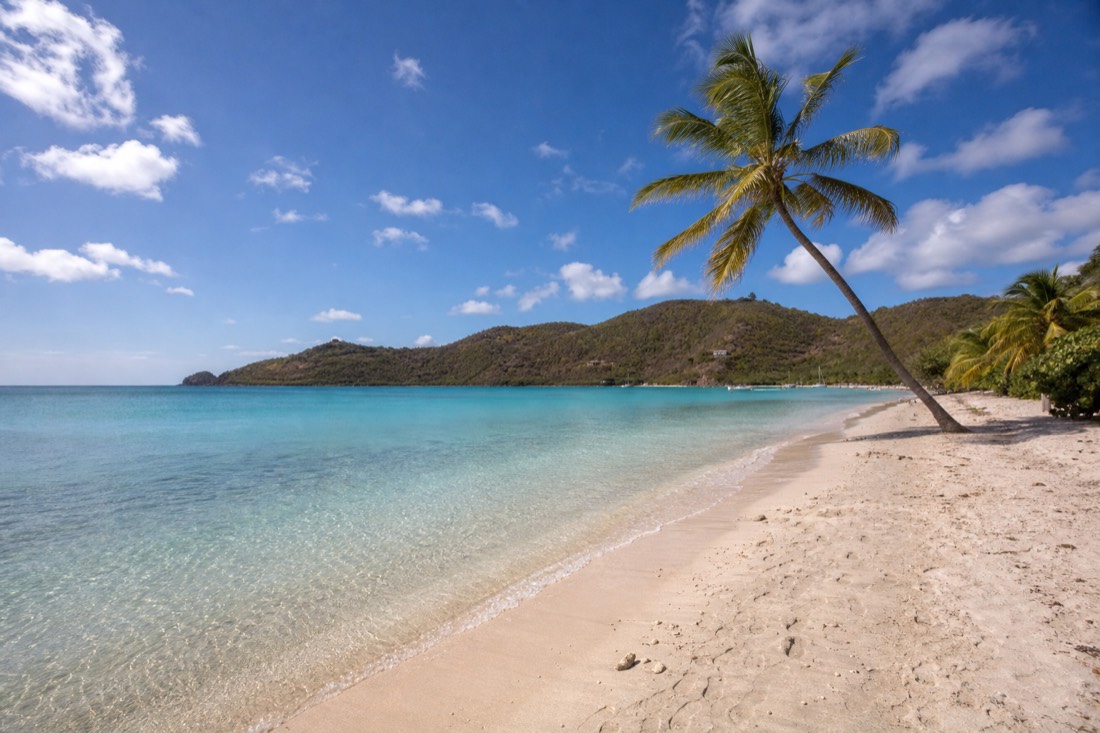
The beach is where most slips happen, because people relax and wander into the water leaving everything on the sand. Take turns swimming, use a waterproof pouch for a phone and some cash, and leave the rest at the hotel. There is no need to carry a passport around; a photo of it on your phone covers almost every situation you will meet.
Hire cars are the other soft target, since a bag visible through a window is an invitation. Stow everything in the boot before you set off, not after you park, and treat quiet, unattended trailheads and viewpoints as places to take valuables with you. This is the same routine you would run in any holiday spot, and it works just as well here.
| Where it happens | The usual slip | The fix |
|---|---|---|
| On the beach | Valuables left on a towel while swimming | Waterproof pouch, take turns, leave the rest in the safe |
| In a hire car | Bag visible on a seat at a quiet stop | Everything in the boot, packed before you drive off |
| Around town and bars | Phone and cash on display | Carry only the day's cash, keep the phone pocketed |
| At the hotel | Passport and documents left out | Room safe; travel with a photo of the passport |
Is It Safe To Drive In Antigua?
Driving is the single practical hazard most visitors underestimate. Antigua drives on the left, many rural roads are narrow, potholed and unlit, signage is patchy, and livestock wander onto the tarmac. It is manageable by day at a gentle pace, but night driving on back roads is where trouble starts. Plenty of travellers skip the rental entirely and let a tour do the driving.
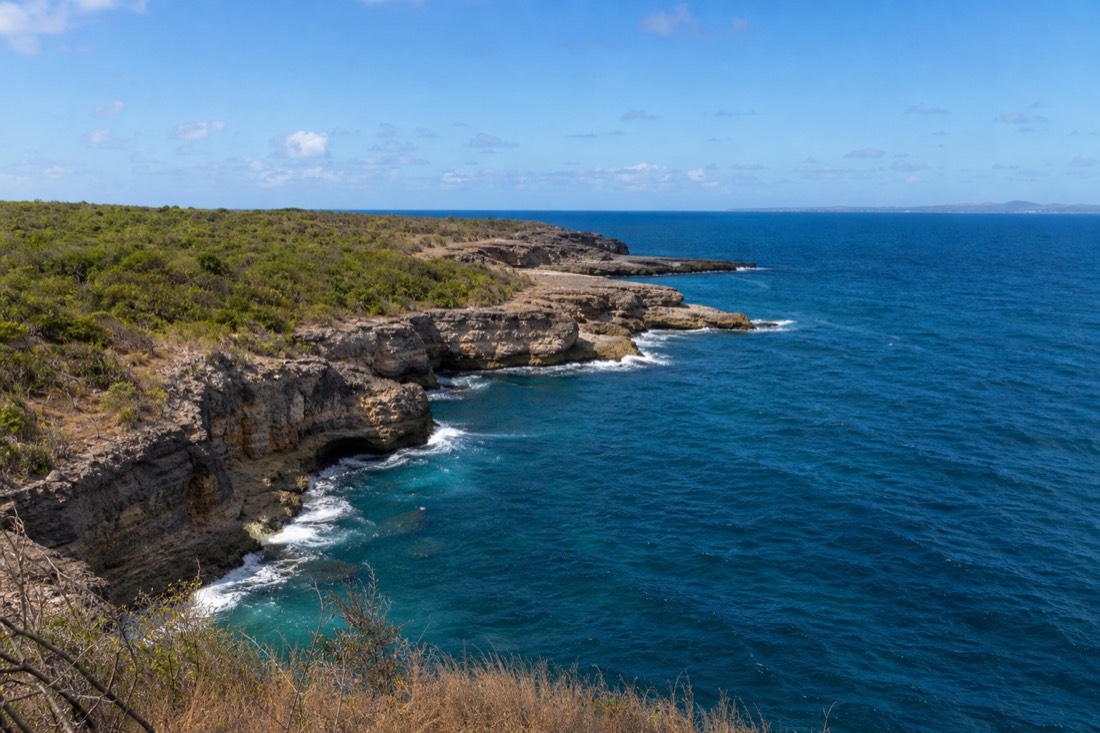
If you do rent, the adjustments add up. You will need a local temporary permit, sold at the car-hire desk, and you will be steering on the opposite side from what most North American and European drivers are used to. Roundabouts, blind bends over hills, and the odd goat or stray dog in the road all reward slow speeds. Fuel stations and streetlights thin out fast once you leave the main routes.
Because the best corners of the island sit at the end of rough tracks or on the far coasts, many people find the maths favours a guided day. When you let a guided day out with a local driver handle the roads, you also skip the unfamiliar-side stress and the night-drive back to the hotel. Our operators' small-group stingray tour and most other trips include hotel or cruise-port pickup, so the driving is off your plate from door to door.
Which Beaches Are Calm, And Where Does The Sea Get Serious?
Antigua's sea splits sharply by coast, and knowing the difference is the most useful safety fact on the island. The leeward north and west, home to Dickenson Bay, Darkwood and Morris Bay, is calm, shallow and reef-sheltered, ideal for easy swimming. The windward Atlantic east coast is beautiful but powerful, with real surf and currents. Swim the calm side, and treat the exposed side with respect.
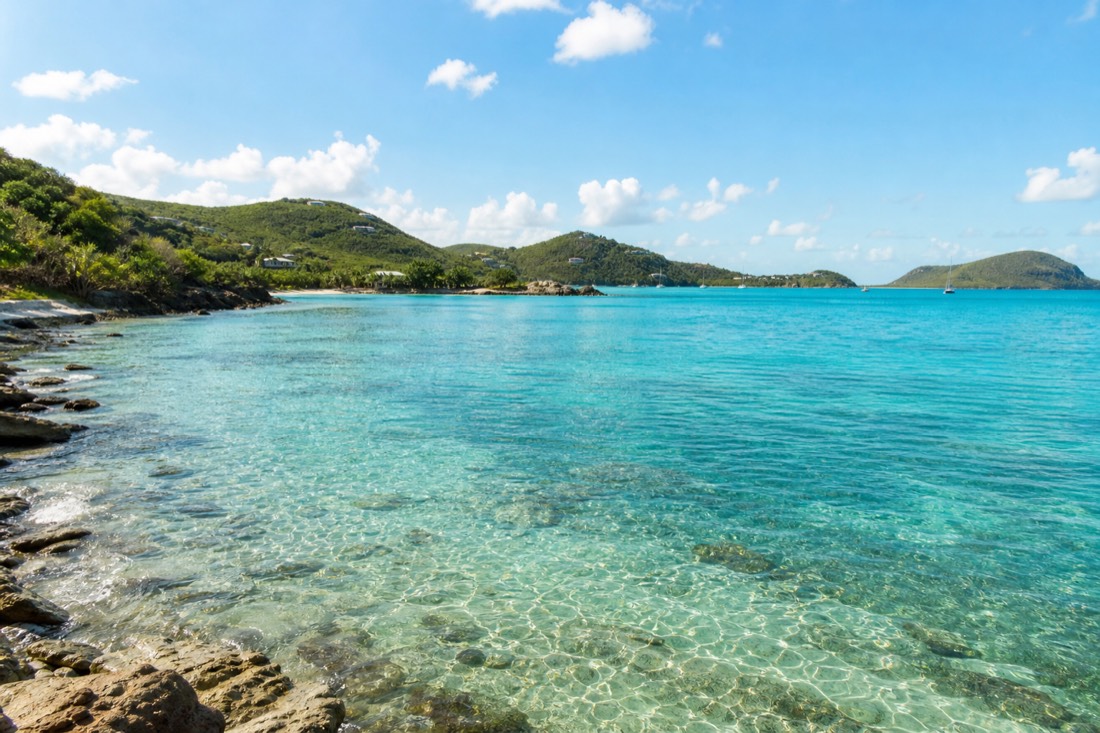
The physics are simple. The west coast faces the sheltered Caribbean, and long offshore reefs like Cades Reef soak up the swell before it reaches the sand, which is why the water there stays glassy. The east and southeast face the open Atlantic, where wind and waves arrive with nothing to slow them. A spot like Half Moon Bay is stunning, but the middle of the bay can carry real surf, with only one sheltered corner truly safe for casual swimming.
Rip currents are the specific thing to understand. If you are ever caught in one, do not fight it straight back to shore; swim parallel to the beach until the pull eases, then angle in. Better still, on wilder days pick a calm leeward beach, watch for any local flags or warnings, and never swim alone at a deserted Atlantic cove. On the small-group tour, snorkeling is deliberately set at sheltered Long Bay rather than the exposed headland next door, which is exactly the right instinct.
| Coast | Typical conditions | Swimming | Note |
|---|---|---|---|
| West and north (leeward) | Calm, shallow, reef-sheltered | Easy, family-friendly | Dickenson Bay, Darkwood, the safe default |
| South coast | Mostly calm, some sheltered coves | Good, quieter beaches | Morris Bay sits behind reef and headland |
| East and southeast (windward) | Atlantic surf, stronger currents | Care needed, one calm end only | Half Moon Bay is scenic but powerful |
| Exposed Atlantic headlands | Big swell, blowholes, spray | Not for swimming | Devil's Bridge is for views, not the water |
How Careful Do You Need To Be About The Sun And Heat?
The tropical sun is the risk visitors take least seriously and pay for most. Antigua sits at seventeen degrees north, so the midday sun is fierce all year, and the constant sea breeze hides how fast you burn. Wear a hat, use reef-safe sunscreen, seek shade in the middle of the day, and drink far more water than you think you need. Heat and dehydration ruin more Antigua days than crime ever does.
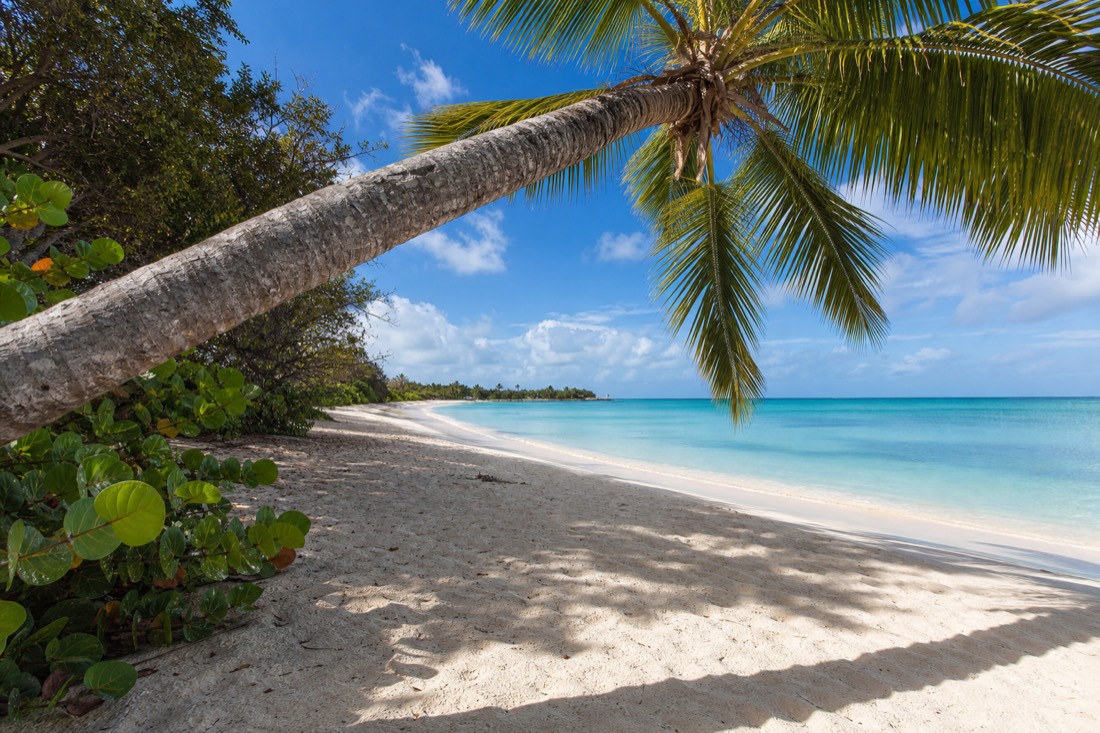
The breeze is the trap. It keeps you comfortable while UV levels stay high, so a long boat day or a slow beach afternoon can leave you badly burned before you feel hot. Reapply sunscreen after every swim, cover up with a rash guard for extended time on the water, and remember that reflection off white sand and water roughly doubles your exposure.
Good operators build sun defence into the day, which is one quiet advantage of going guided. The small-group tour issues every guest a 50 UPF rash guard for exactly this reason. Whatever you book, pack a wide-brim hat, polarised sunglasses, and enough water for the whole outing, and treat the hours around noon as shade time rather than beach-walking time.
What About Storm Season And Sudden Weather?
Antigua's weather is sunny most of the year, but the Atlantic hurricane season runs June 1 to November 30, with the greatest activity between mid-August and mid-October. Even then, direct hits are rare and the island stays at a normal advisory level. The sensible precautions are travel insurance that covers trip disruption and a willingness to shuffle boat days if a system passes.
Outside the season, from December through May, the weather is about as dependable as tropical weather gets: warm, breezy and dry. During the season, brief tropical showers can blow through even on a fine day, usually passing in minutes rather than settling in. The season's official dates come from the US National Hurricane Center, whose climatology puts the statistical peak around September 10.
Practically, that means a wet-season trip is normal and popular, not something to avoid. Take a policy that covers interruption, keep an eye on the forecast in the final days before you fly, and book water activities early in your stay so there is room to reschedule if the sea turns. A short passing squall is part of the tropics, not a warning sign.
Do You Need To Be Careful With The Water And Food?
Standard tropical caution covers it. Antigua's mains water is treated and widely considered safe in the main hotel and town areas, though many visitors still prefer bottled or filtered water, especially in villas and rural spots. Food from busy restaurants, beach grills and reputable tour lunches is generally excellent and low-risk. Use common sense, and stomach trouble is unlikely.
The island leans on desalination and rainwater catchment, so quality can vary by property. If you have a sensitive stomach, bottled water for drinking and brushing teeth is a cheap insurance policy, and it is easy to find everywhere. Freshly cooked, hot food is the safest bet, as it is anywhere, and the busy beach lobster grills and home-cooked tour buffets earn their reputation for a reason.
Two smaller notes round out the health picture. Mosquitoes are present, so an insect repellent is worth packing, particularly at dusk near mangroves and wetlands. And a small kit of basics, sunscreen, rehydration sachets, plasters and any personal medication, saves a hunt for a pharmacy on a Sunday. That is the whole health list; nothing about Antigua calls for more.
How Much Does A Guided Tour Cut The Risk?
A guided day quietly removes most of the items on this page at once. Someone else drives the unfamiliar roads, chooses the calm beach, watches the sea and sky, handles the boat, and hands you a rash guard for the sun. For a first visit, especially a short one, it is the simplest way to trade a long list of small worries for a single booking.
That is the practical logic behind going with local crews rather than winging it. The small-group stingray and land tour caps the group at 14, runs with licensed guides, includes pickup so you never drive at night, sets its swimming at sheltered water, and keeps everyone behind the safety markers at the blustery Devil's Bridge headland. Each of those choices maps onto a row from the table above.
None of this means Antigua is a place to be nervous. It is a Level 1 island that rewards ordinary care. If you would rather not think about roads, tides and sun timing at all, let the operators handle the roads and the boat and enjoy the water. Browsing the guided Antigua tours from St. John's is the fastest way to turn this whole checklist into someone else's job.