Why Is Antigua On The "Do Not Travel" List?
Type "Antigua do not travel" into a search bar and the autocomplete alone can rattle you. The phrase points at a government category the island has never actually been in.
Visit Nelson’s Dockyard, Shirley Heights and Devil’s Bridge in one guided drive. Discover Round Island Highlights

The direct answer: Antigua is not on any "do not travel" list. The US State Department rates Antigua and Barbuda Level 1, "Exercise Normal Precautions", the lowest of its four tiers, and the UK Foreign Office does not advise against travel there. The scary-sounding phrase is a real government label, but it is reserved for war zones and the like, not a calm Eastern Caribbean island.
The four US travel advisory levels, and where Antigua sits
The US State Department sorts every country into four tiers. Antigua and Barbuda holds Level 1, the lowest. Verified against travel.state.gov.
Is Antigua Actually On A "Do Not Travel" List?
No. Neither the United States nor the United Kingdom, the two governments whose advisories drive most of these searches, tells its citizens to avoid Antigua and Barbuda. The US assigns its lowest risk rating, Level 1. The UK issues standard country advice with no warning against travel. There is no blanket "do not travel" order in force.
Booking Choice: Visit Nelson’s Dockyard, Shirley Heights and Devil’s Bridge in one guided drive. Check Dates: Round Island Highlights
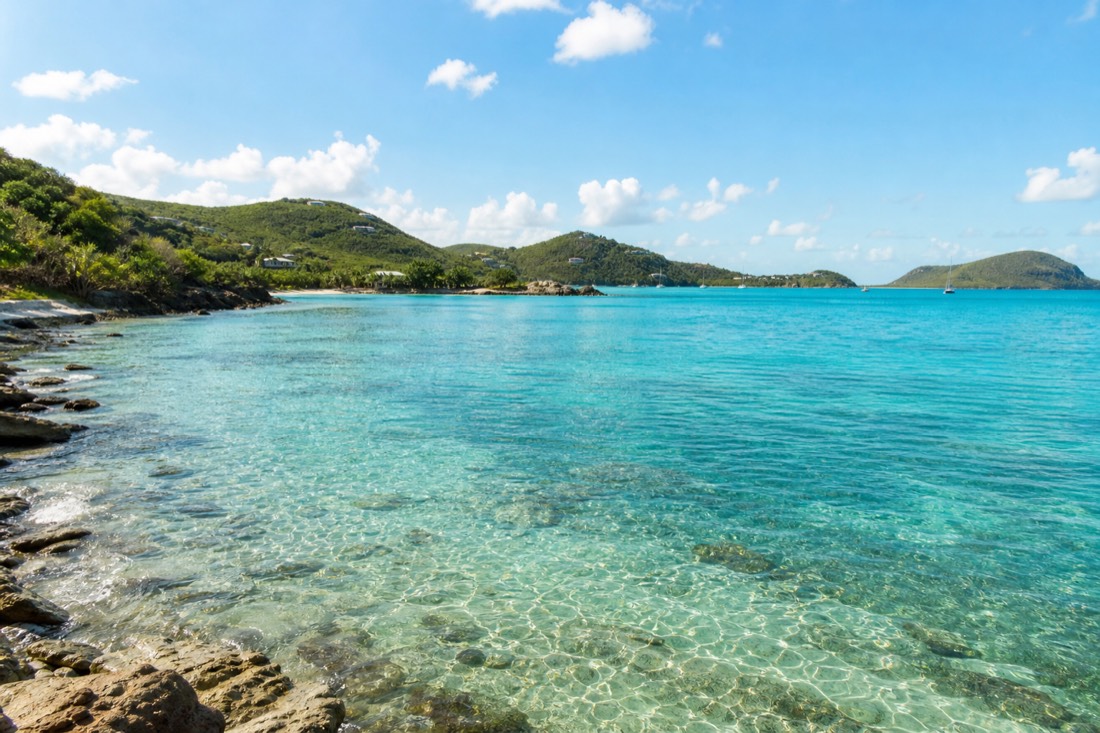
You can read both for yourself. The US State Department publishes a country-by-country system, and Antigua and Barbuda sits at Level 1, "Exercise Normal Precautions," on its official travel advisory page. Britain's Foreign, Commonwealth and Development Office runs a parallel service, and its Antigua and Barbuda travel advice carries only the routine notes every destination gets, with no line telling people to stay away.
So where does the worry come from? Mostly from the wording itself. "Do Not Travel" is a genuine State Department category, the top rung of a four-level ladder, and once you have seen that phrase attached to a handful of countries in the news, it is easy to wonder whether your island is on the same list. It is not. The table below shows exactly what each authority says.
| Authority | Current rating for Antigua and Barbuda | Advises against travel? |
|---|---|---|
| US State Department | Level 1, "Exercise Normal Precautions" (lowest of four) | No |
| UK Foreign Office (FCDO) | Standard country advice, no warning against travel | No |
What Do The Four US Travel Advisory Levels Mean?
The State Department sorts every country into four tiers. Level 1 means exercise normal precautions, the same care you would take anywhere. Level 2 is increased caution. Level 3 says reconsider travel. Level 4, the only tier actually labelled "Do Not Travel," is reserved for active conflict, unrest, or extreme danger. Antigua sits firmly at the bottom rung, Level 1.
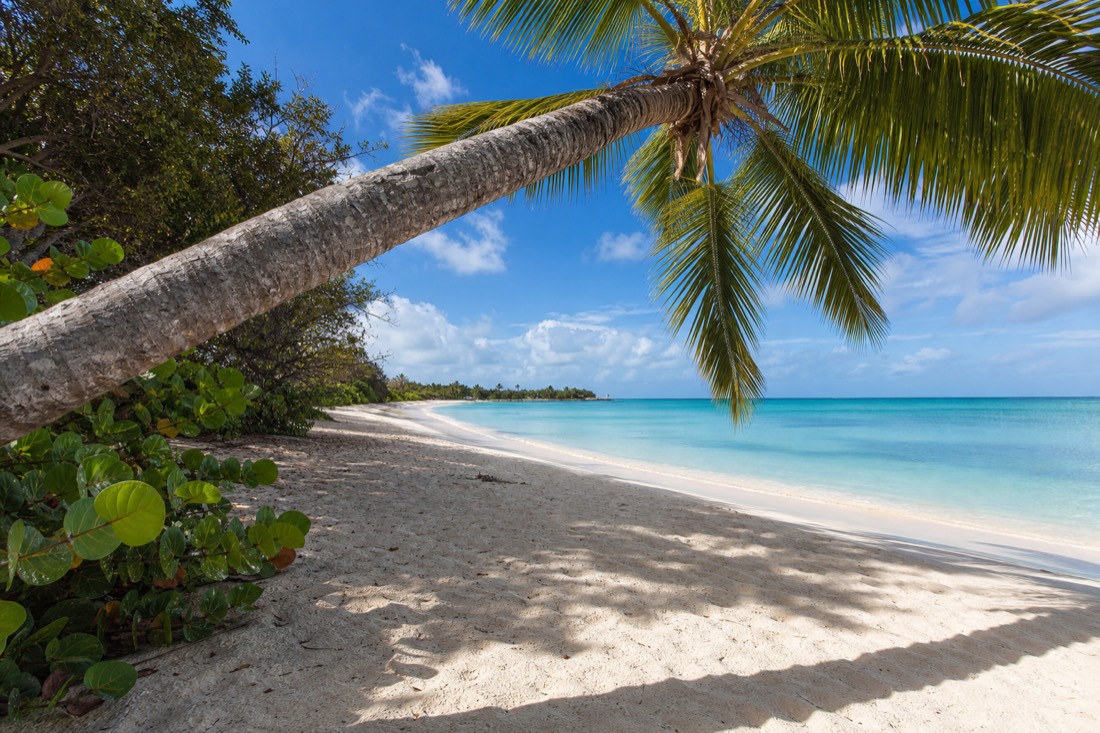
The point of the ladder is proportion. A Level 1 rating is not a promise that nothing can ever go wrong, since no government issues those. It is a signal that the country carries no elevated, country-wide risk beyond the ordinary, and that a traveller who takes sensible everyday precautions has no special cause for concern. Plenty of popular holiday destinations across Europe and the Caribbean share the exact same Level 1 standing.
Reading the tiers side by side makes the gap obvious. The nations that carry a real "Do Not Travel" order are dealing with war, collapsed policing, or the genuine threat of being detained. Antigua, a stable parliamentary democracy that has built its economy around welcoming visitors, is a long way from that column.
| Level | Official wording | What it signals | Where Antigua sits |
|---|---|---|---|
| Level 1 | Exercise Normal Precautions | Lowest advisory. Ordinary travel-smart care is enough. | This is Antigua and Barbuda |
| Level 2 | Exercise Increased Caution | Be more aware of specific, heightened risks. | Not Antigua |
| Level 3 | Reconsider Travel | Serious risks. Think hard before going. | Not Antigua |
| Level 4 | Do Not Travel | The highest warning, for conflict and extreme danger. | Not Antigua |
Where Does The "Do Not Travel" Myth Come From?
The idea usually grows from four harmless roots: the alarming "Do Not Travel" wording of the top US tier, hurricane-season headlines that flash across the whole Caribbean at once, a general nervousness about unfamiliar islands, and the way search engines suggest fear-based phrases before you finish typing. None of them describe Antigua's actual standing.

Hurricane coverage does the most damage to the island's reputation. When a big Atlantic storm forms, the maps on the news shade an enormous stretch of ocean, and a viewer who cannot place Antigua on it assumes the worst. A named storm passing hundreds of miles north is not the same as a strike, and a single stormy week in September says nothing about the dry, breezy months that make up most of the year.
The phrase also gets tangled up with things that are not travel bans at all. A temporary health notice, a beach-day seaweed alert, or a short weather warning during a storm are specific, passing advisories, not a blanket order to stay home. People read one of those, remember the fear and forget the detail, and the words "do not travel" attach themselves to the whole island in memory.
The rest is autocomplete and anxiety. Search tools surface the most-typed phrases, and worried questions get typed a lot, so "is Antigua safe" and "Antigua do not travel" bubble up whether or not the facts support them. Add the ordinary unease of booking somewhere you have never been, and a myth writes itself. The cure is the same one governments use: look at the real advisory, not the rumour.
What Real Risks Are Worth Planning For?
A Level 1 rating does not mean zero risk, and honest planning beats blind reassurance. The genuine things to watch in Antigua are ordinary island matters: opportunistic theft from unattended bags, driving on the left along dark rural roads, strong surf on the exposed Atlantic coast, the tropical sun, and the small seasonal chance of a storm. Each has a simple fix.
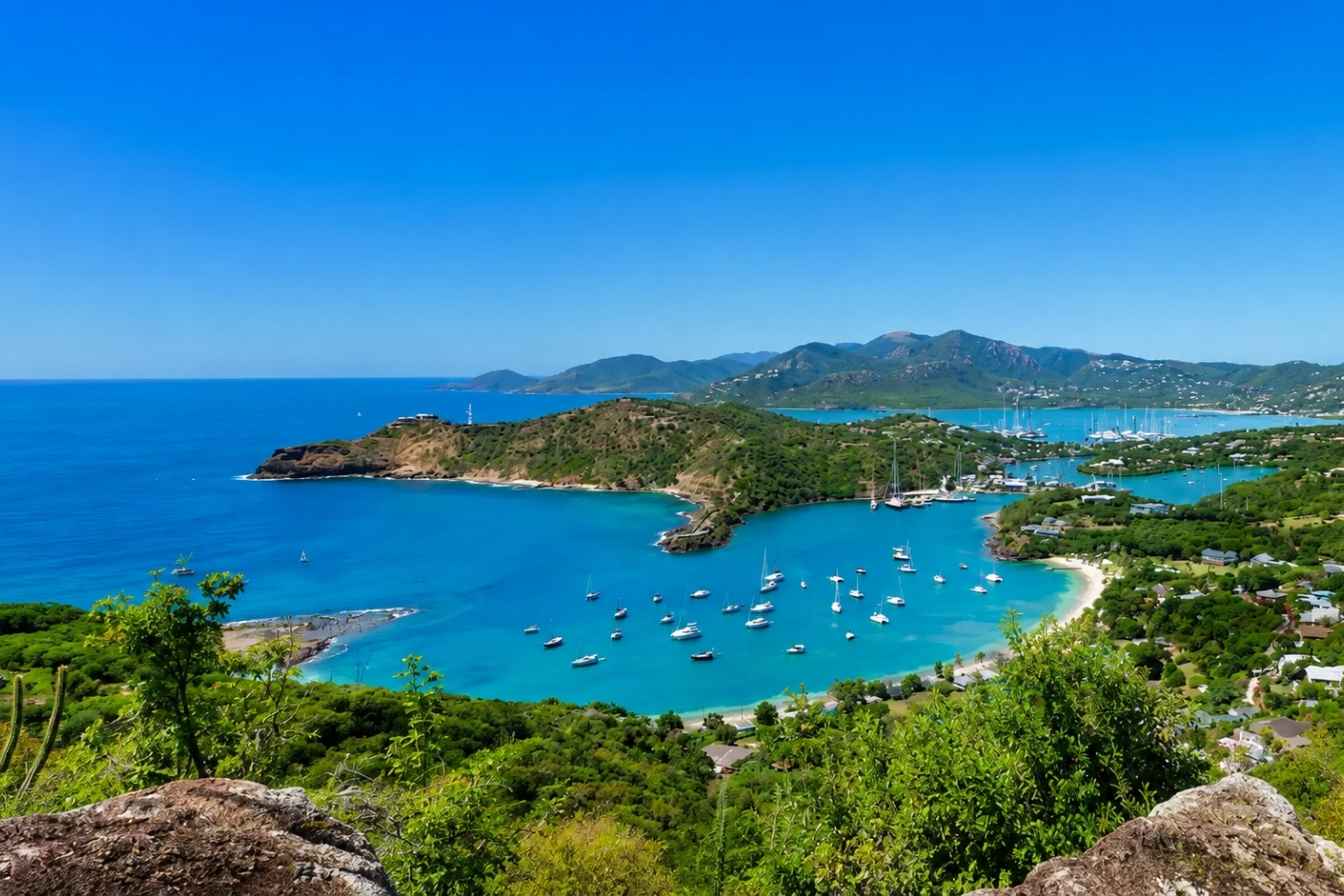
None of these are dramatic, and that is the point. Serious crime against visitors is uncommon, and the incidents that do happen tend to be petty and preventable: a phone left on a towel, a rental car with a bag visible on the seat. The sea deserves the most respect, because the calm postcard water of the leeward beaches gives way to real Atlantic power on the windward east side, where currents can run hard.
Plan for the actual conditions and your own abilities. Guided transport or supervision can simplify the day, but does not remove road, water, weather or wildlife risks. Follow current advice and confirm any support you need with the operator.
| Everyday concern | How real it is here | The simple precaution |
|---|---|---|
| Petty theft from bags | Low, almost always opportunistic | Use the room safe; never leave valuables on the sand |
| Driving on the left | The main practical hazard for visitors | Go slowly, or hand the wheel to a guided tour |
| Atlantic-side surf and currents | Real on the exposed east coast | Swim the calm, sheltered leeward beaches |
| Sun and heat | Constant, all year | Hat, reef-safe sunscreen, and plenty of water |
| Storm weather | Seasonal only, June to November | Buy travel insurance and watch the forecast |
Does Hurricane Season Change The Advice?
Severe weather can affect travel advice as well as tour operations. The Atlantic hurricane season runs June 1 to November 30, with most activity between mid-August and mid-October, according to the US National Hurricane Center. Check current warnings before traveling during the peak. Storms are a planning and insurance question, not a reason the island appears on any "do not travel" list.
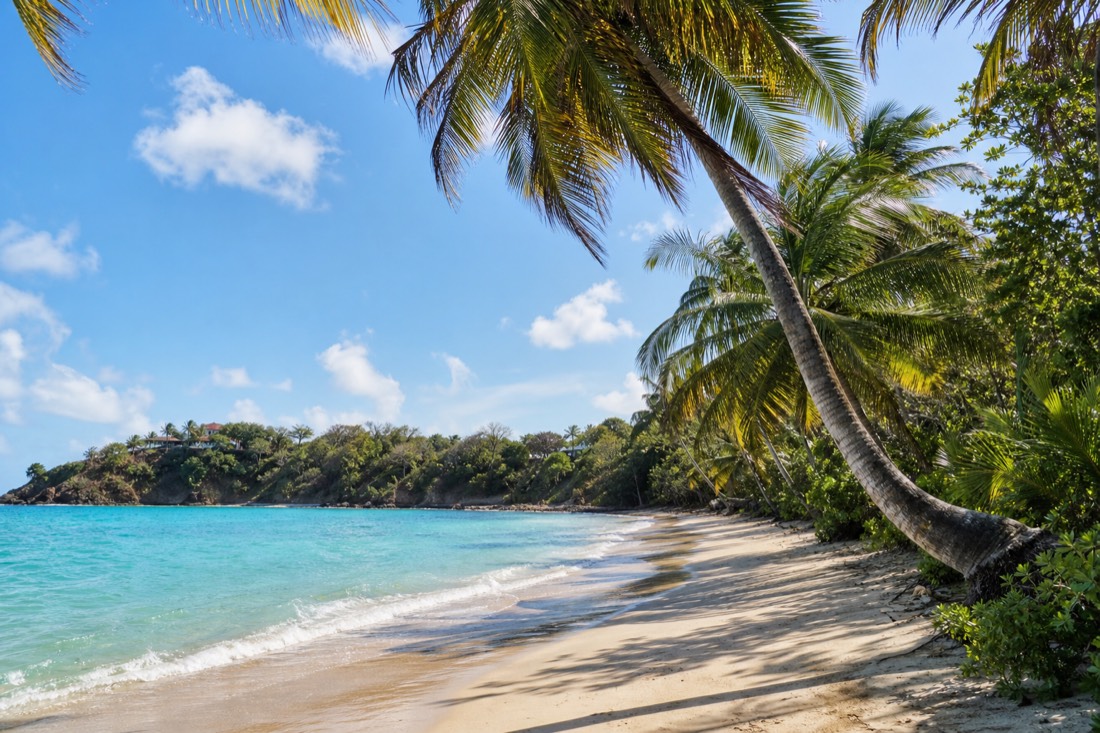
The season is uneven. Its climatological peak lands around September 10, and the busiest window is that mid-August to mid-October stretch, which is why room rates dip and some visitors deliberately book around it. June, July and late November carry a far smaller chance of disruption, and the long dry season from December through May is Antigua at its most reliable, with steady trade winds and little rain.
Travelling in the wetter months is perfectly normal, and thousands do it happily every year. The sensible moves are ordinary ones: take a policy that covers trip interruption, keep an eye on the forecast in the days before you fly, and stay flexible with any boat days. You can check the official season facts on the NOAA National Hurricane Center climatology page.
| Period | Storm activity | What it means for a trip |
|---|---|---|
| December to May | Dry season, negligible | Peak conditions, the most reliable weather |
| June to July | Season opens, still low | Usually fine, just watch the forecast |
| August to October | Peak activity | Highest chance of disruption, so insure the trip |
| November | Season winding down | Risk falls steadily through the month |
How Do Visitors And Guided Tours Handle Safety Day To Day?
On the ground, Antigua feels relaxed rather than risky, and the small choices that keep a trip smooth are easy. Book water activities with licensed operators, keep valuables locked away, respect the Atlantic coast, and stay covered against the sun. A guided day removes most of the friction, since a local crew handles the roads, the sea conditions, and the timing for you.
The land-and-sea tour lists hotel or port pickup, a maximum of 14 travelers, snorkeling equipment and an UPF 50 rash guard. Rum is served after the ray activity. Follow the crew’s instructions, and do not infer that these inclusions remove the risks.
That is the practical case for handing a day to people who do it constantly. When you book a guided island day, someone who knows which beach is calm today and which road is unlit at night is making those calls. Most of the guided Antigua tours we run from St. John's also include hotel or cruise-port pickup, which takes night driving on unfamiliar roads off your plate entirely.
The Bottom Line: How Do You Plan A Worry-Free Antigua Trip?
Treat Antigua as what the advisories say it is: an ordinary, welcoming Caribbean island that asks for normal precautions, not extraordinary ones. Book with licensed operators, insure a wet-season trip, swim the leeward beaches, and let a local guide take the wheel. The "do not travel" worry is a phrase problem, not a place problem.
The travellers who have the smoothest visits are simply the ones who plan a little. They pick their beaches by coast rather than by luck, they carry a hat and reef-safe sunscreen, and they leave the passport in the safe. If a trip falls in storm season, they buy the insurance and keep the itinerary loose. None of that is unique to Antigua; it is the same checklist you would run for any tropical holiday.
If you would rather skip the guesswork, the easiest route is to hand the logistics to a local operator and spend your energy on the water and the history instead. Antigua earns its Level 1 rating the honest way, by being calm, stable and used to visitors. The only list it belongs on is the one of islands worth the flight.