Snorkeling In Antigua: Best Spots & Reefs
Antigua's reefs sit close to shore and stay calm on the leeward side, so snorkeling here is easy and rewarding. It runs from the long barrier of Cades Reef to the shallow coral off Great Bird Island and the limestone wall at the Pillars of Hercules.
Drive a two-seat boat along the west coast to guided snorkeling at Cades Reef. Discover Reef Riders Self-Drive Boats
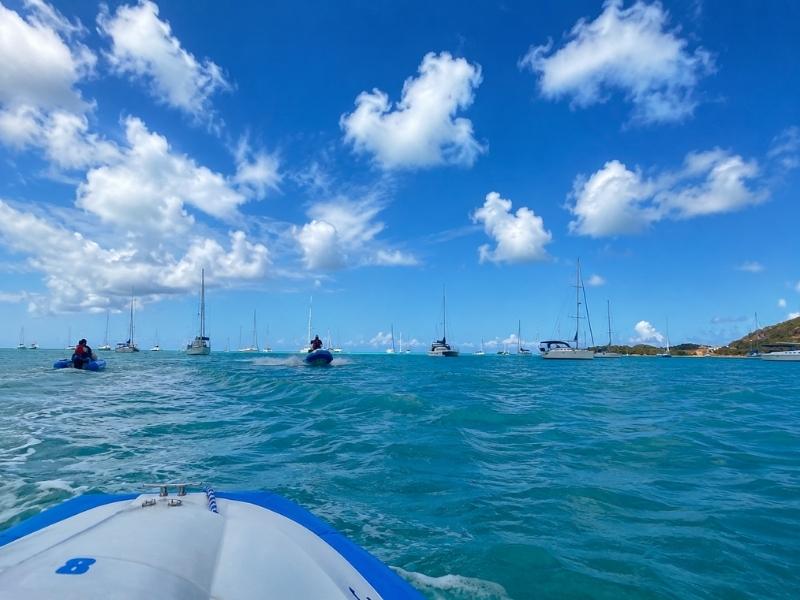
Antigua sits on a coral shelf, and that changes what snorkeling feels like here. The best reefs are shallow, close in, and protected from the open ocean by the same headlands and barrier reefs that keep the beaches calm. You do not need to be a strong swimmer or take a boat far offshore. On the right day, on the right coast, you wade off the sand and the fish are already there.
Booking Choice: Drive a two-seat boat along the west coast to guided snorkeling at Cades Reef. Check Dates: Reef Riders Self-Drive Boats
The short version: for the richest coral, take a short boat hop to Cades Reef in the Antigua National Marine Park or to the Pillars of Hercules below Shirley Heights. For easy snorkeling straight off the beach, head to Long Bay's inner reef or Deep Bay's shipwreck. The North Sound around Great Bird Island mixes reef fish with wild stingrays.
Antigua snorkel spots: how easy, how good
Shore reefs are the easiest to reach; the offshore barrier reef and the Pillars pay off the boat ride with the best coral.
Where Is The Best Snorkeling In Antigua?
The best snorkeling in Antigua is Cades Reef, a protected barrier reef inside the Antigua National Marine Park off the leeward southwest coast, with the Pillars of Hercules near English Harbour a close second. Both need a short boat hop. For shore snorkeling with no boat, Long Bay's inner reef and Deep Bay's shipwreck are the easiest and calmest options.
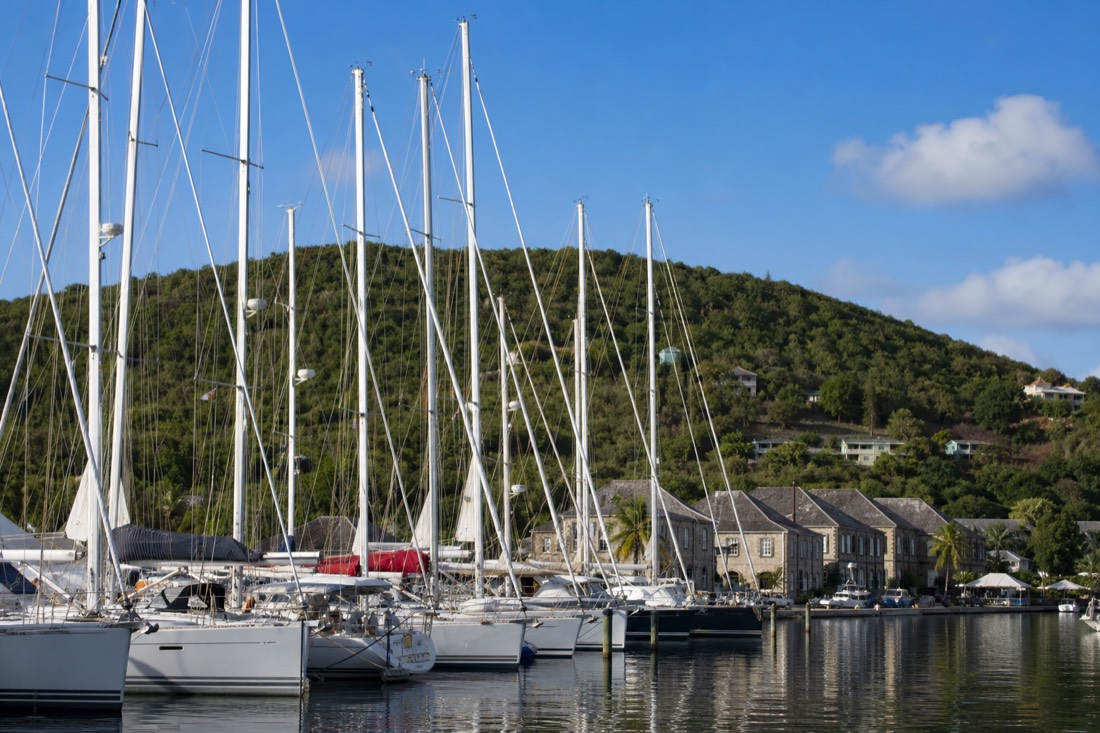
What separates the top spots is not distance but shelter. The leeward beaches and the reefs off them sit out of the trade winds, so the water stays clear and flat while the windward east coast churns. Cades Reef is the headline because it is a genuine barrier reef, long enough that boats spread out along it, and protected as a marine park so the coral and fish are in good shape. The Pillars of Hercules offer something different: a dramatic vertical wall of stone dropping into the sea rather than a shallow garden.
The table below sorts the main spots by how you reach them and what the reef is like. Read it as a shortlist, then the sections that follow explain each one in turn.
| Spot | Coast | Reef type | How to reach it | Ease |
|---|---|---|---|---|
| Cades Reef | Southwest (leeward) | Protected barrier reef | Boat from Five Islands or Jolly Harbour | Moderate |
| Pillars of Hercules | South, English Harbour | Limestone wall, brain corals | Boat, or a low-tide walk from Galleon | Moderate |
| Great Bird Island | North Sound (northeast) | Shallow coral shelf off the beach | Eco boat trip only | Easy |
| Long Bay | East (windward) | Sheltered inner reef | Wade in from the beach | Easy |
| Deep Bay | West (leeward) | The Andes shipwreck | Wade or short swim from the sand | Easy |
What Will You See Snorkeling In Antigua?
Expect vibrant tropical fish over the coral: parrotfish grazing the reef, blue tangs in schools, sergeant majors and wrasse, with sea turtles and the occasional southern stingray on the better sites. The coral itself ranges from shallow branching heads on the reefs to big brain corals on the deeper walls. Nothing here is dangerous if you keep your hands off the coral and let the animals come to you.
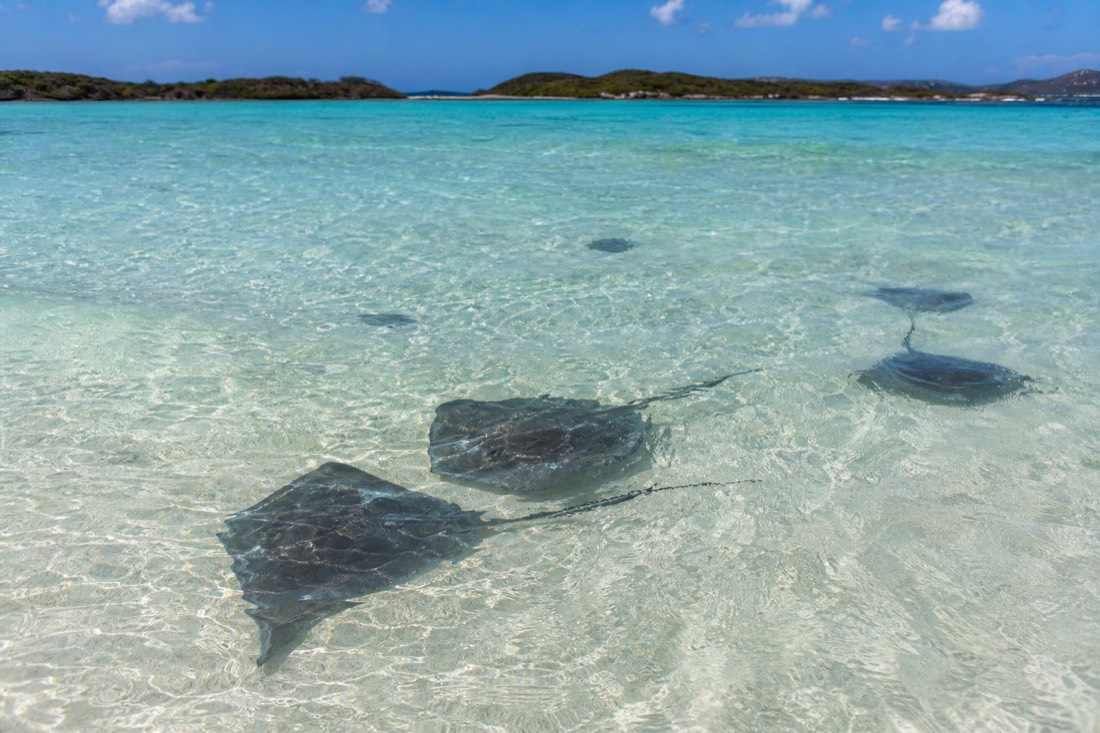
The cast changes with the site. On Cades Reef our reef-boat crews track parrotfish, tangs and vibrant coral heads over the shallow shelf, with sea turtles turning up regularly on the outer edge. At the Pillars of Hercules the draw is the wall itself: brain corals in the crevices and a colonial-era iron anchor resting among them, a reminder that these waters were a working naval harbour two centuries ago. In the North Sound the crews mix reef fish with wild stingrays that cruise the inner shelf off Great Bird Island.
| What you see | Where it is common | Notes |
|---|---|---|
| Parrotfish and blue tangs | Cades Reef, Great Bird Island | Grazing the shallow coral, easy to spot |
| Sea turtles | Cades Reef, Pillars of Hercules | Keep your distance and never chase |
| Southern stingrays | North Sound, Stingray City sandbank | Gentle, but let them approach you |
| Brain and coral heads | Pillars of Hercules, Cades Reef | Do not touch or stand on the coral |
| Reef fish shoals | Long Bay, Deep Bay | Shallow inner reef, good for beginners |
Cades Reef And The Antigua National Marine Park
Cades Reef is Antigua's showpiece snorkeling site, a long barrier reef running parallel to the southwest coast inside the Antigua National Marine Park. Boats reach it in a short run down the leeward shore, past Darkwood Beach, and drop you over a shallow shelf of coral heads teeming with parrotfish, tangs and sea turtles in crystal-clear, protected water. It is the reef most day trips aim for.
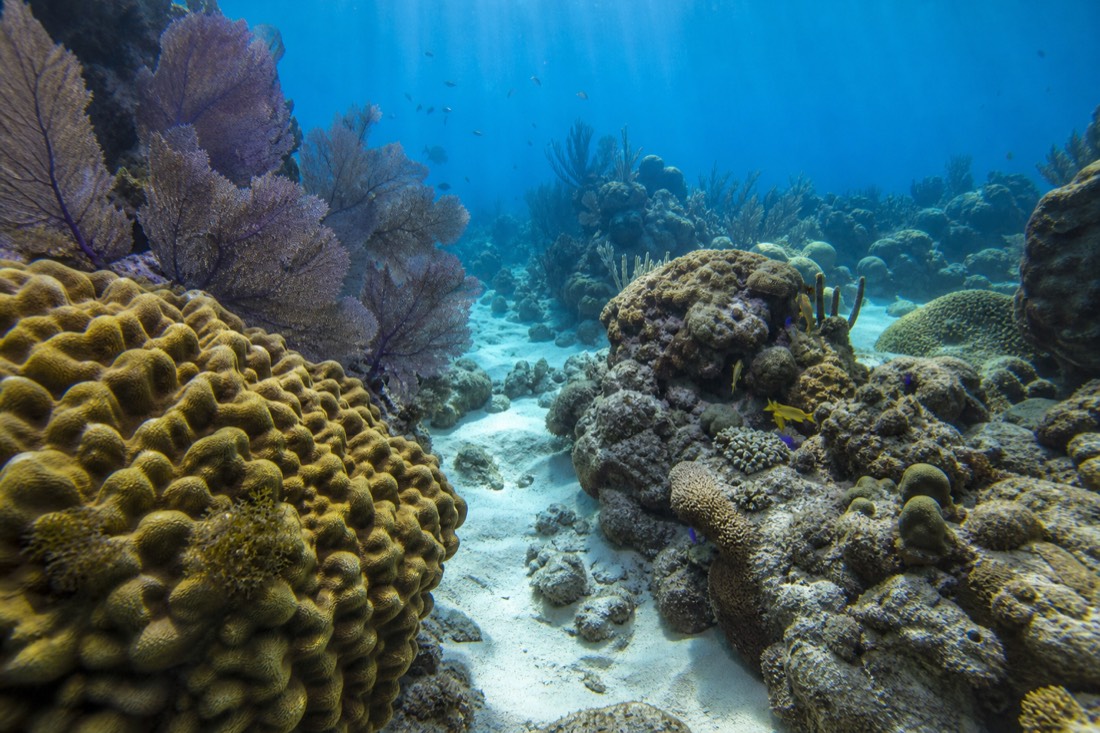
Because it is a marine park, Cades Reef is looked after, and the difference shows in the coral cover and the fish. Our operators launch the reef-boat runs from Five Islands Village and skim seven miles down the coast to the reef, where a guide stays in the water with you the whole time. If piloting your own small boat out to the reef appeals, a self-drive reef boat and snorkel trip lets you follow the guide in a two-seater craft and swim the reef with equipment provided; you can check live availability and prices on the operator's listing.
One point of etiquette that also protects your day: this is a popular anchoring hub, so staying close to your guide's line keeps you clear of other groups and out of boat lanes. The marine-park status is the reason to use reef-safe sunscreen here rather than a chemical one, a small thing that keeps the coral healthy for the next boat. Antigua's tourism authority publishes the park boundaries and the current conservation rules at the national tourism board.
The Pillars Of Hercules: Snorkeling A Limestone Wall
The Pillars of Hercules are monumental limestone columns rising from the sea at the foot of the Shirley Heights cliffs, right at the mouth of English Harbour. Snorkeling here means swimming a vertical stone wall with brain corals in its crevices and a colonial iron anchor on the bottom, rather than a flat reef. It is more atmospheric than Cades Reef, and a little more advanced because of the surge.
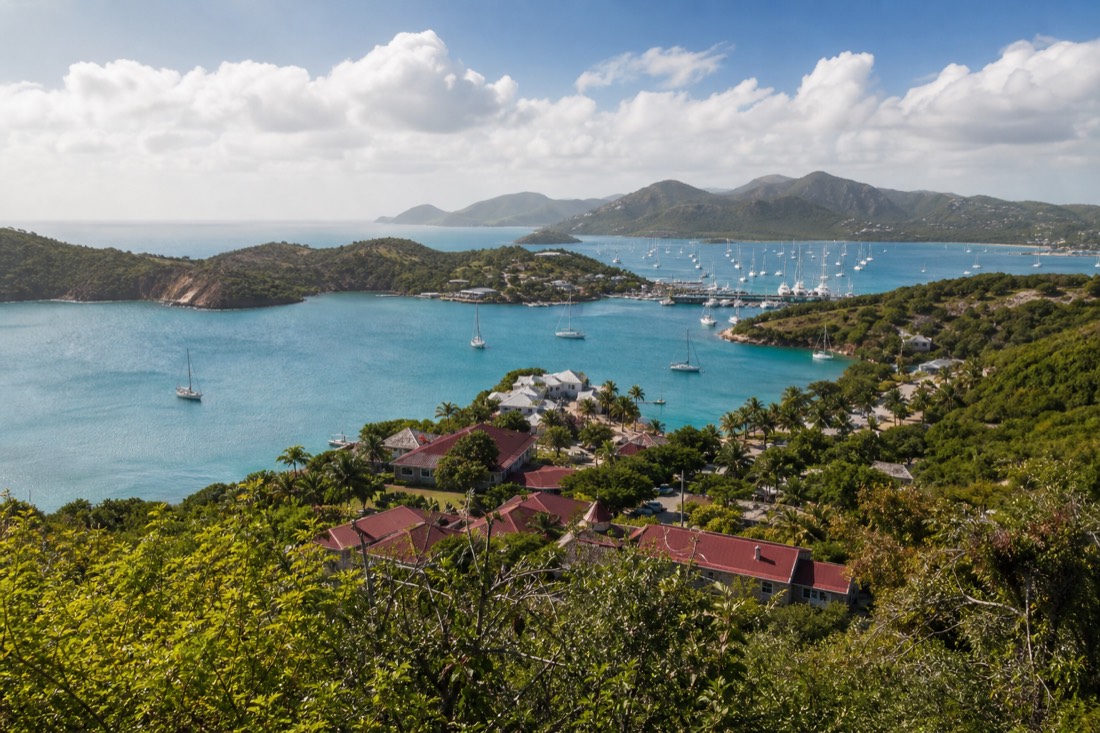
This is the snorkel that comes bundled into the full-island powerboat loop, and it sits within the wider landscape of the UNESCO World Heritage Site of the Antigua Naval Dockyard, so history and geology stack up in one swim. The columns were carved by wind and water over thousands of years, and the deeper water at their base holds bigger coral formations than the shallow reefs. Our circumnavigation crews give a 45-minute reef swim here, tracking the old anchor among the corals and watching for sea turtles along the wall.
Because you are on an open, deeper site, the water moves. There is tidal surge and drift at the base of the columns, so this one rewards a confident swimmer and a guide's designated drift zone. If you would rather keep both hands free to steady yourself, leave the underwater camera on a wrist strap. For a gentler introduction before you tackle a wall like this, the calm beach reefs in the next section are the place to start.
Great Bird Island And The North Sound Reefs
Off the northeast tip, the sheltered North Sound wraps around Great Bird Island, a tiny uninhabited islet with a shallow coral shelf right off its beach. The water is calm, the reef is close in, and wild southern stingrays cruise the inner shelf, so it is one of the friendliest places in Antigua to learn. Eco boat trips run out here with snorkeling lessons for beginners.
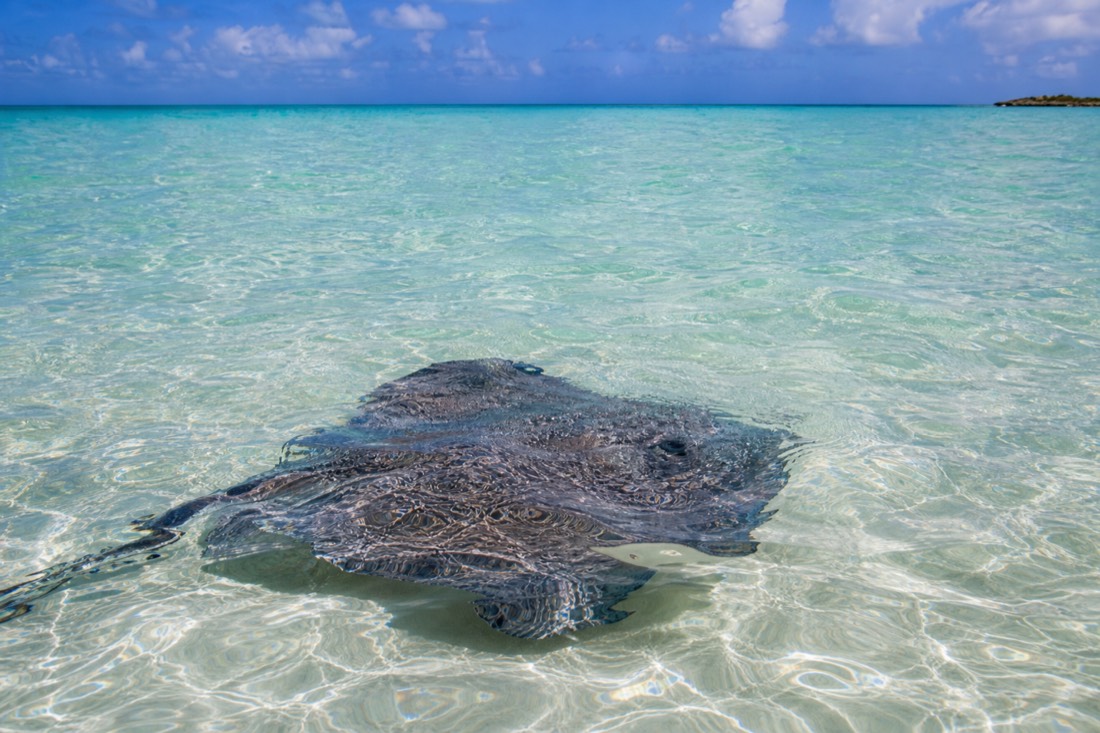
The North Sound is a maze of mangrove-fringed islets and turquoise flats, protected from the Atlantic swell, which is exactly why the snorkeling is so gentle. On the classic eco day, guests who want to get in the water receive a full snorkeling lesson from the crew before sliding in to track colourful fish and the resident stingrays along the reef shelf, while others take a nature walk across the islet. A relaxed way to combine the reef with the birdlife and sea caves is Eli's eco day in the North Sound. There is far more to this corner than the snorkeling alone, which our Great Bird Island and North Sound guide covers in full.
Green Island, Paradise Reef And Antigua's Quieter Reefs
Beyond the headline sites, Antigua keeps a few quieter reefs for people willing to go a little further. Green Island, off the sheltered southeast coast, has calm coral bays reached only by boat. Paradise Reef, on the northwest near Dickenson Bay, is an easy, forgiving reef for mixed-ability groups. Both trade the crowds for space and stiller water.
Green Island is a small uninhabited islet tucked inside the reef-protected waters off the southeast, the same beach where the full-island powerboat run stops for lunch. The bays around it are shallow and calm, screened from the Atlantic swell by the outer reef, and the coral heads close to shore hold the usual cast of tangs, wrasse and the odd turtle. Because you can only get there by boat, it rarely feels busy. Paradise Reef sits at the other end of the island, off the calm northwest coast within reach of the Dickenson Bay resorts, and its gentle depth and easy access make it a common first reef for lessons and family groups.
Neither reef is a secret to the operators, but both stay quieter than Cades Reef simply because fewer day trips point at them. If your priority is uncrowded water over headline coral, they are the reefs to ask a skipper about.
| Spot | Coast | What you snorkel | How to reach it | Who it suits |
|---|---|---|---|---|
| Green Island | Southeast | Calm coral bays behind the outer reef | Boat trip only | Quiet-water swimmers, families |
| Paradise Reef | Northwest | Shallow, forgiving reef near Dickenson Bay | Boat, some resort access | Beginners and lessons |
| Rendezvous Bay | South | Clear water off a roadless beach | Boat, or a long hike | Adventurous swimmers |
Where Can You Snorkel Straight From The Beach?
You do not always need a boat. Long Bay on the east coast has a shallow inner reef you wade to from a calm lagoon. Deep Bay on the west holds the wreck of the Andes in easy reach of the sand. Pigeon Point and the calm southwest beaches offer gentle fish over seagrass and rock. These are the spots for a quick snorkel between swims and sunbathing.
Shore snorkeling in Antigua works best where a reef or a headland shelters the water. Long Bay is the standout: even though it faces the windward Atlantic, an inner reef flattens the waves into a lagoon, and that same reef is what you snorkel, with colourful fish over the shallow shelf. Deep Bay is the western equivalent, a near-circular bay so protected that the wreck of the Andes, an old barque that went down here more than a century ago, sits undisturbed in the middle for snorkelers to explore. Its remains lie shallow enough that on a calm, clear day you can pick out the hull from the surface, and the structure has turned into a magnet for fish. For where these sit among the wider coastline, see our guide to the best beaches in Antigua.
| Beach | Coast | What you snorkel | Who it suits |
|---|---|---|---|
| Long Bay | East | Shallow inner reef off the sand | Beginners, families, calm-water swimmers |
| Deep Bay | West | The Andes shipwreck | Anyone wanting structure to explore |
| Pigeon Point | South, Falmouth | Fish over seagrass and rocky edges | Easy dips between swims |
| Great Bird Island | North Sound | Coral shelf off the beach | Beginners, boat access only |
Shore Snorkeling Or A Boat Trip: Which Is Better?
Shore snorkeling is free, flexible and beginner-friendly, but the reefs off the beach are shallower and less varied. A boat trip costs more and ties you to a schedule, yet it reaches the best coral at Cades Reef and the dramatic wall at the Pillars of Hercules, with gear, a guide and safety cover included. For a first proper reef, the boat is worth it; for a casual dip, the beach wins.
The honest trade-off is reef quality against convenience. From the beach you get in whenever you like, but you are limited to what sits within a short swim, which in Antigua means calm inner reefs rather than the showpiece coral. A boat carries you to the protected barrier reef and the offshore sites that you simply cannot reach from land, and it hands you fins, a mask and a guide who knows where the turtles hang out. If you only snorkel once on the trip, do it from a boat.
| Factor | From the beach | On a boat trip |
|---|---|---|
| Cost | Free, bring or rent gear | Paid, gear usually included |
| Reef quality | Calm inner reefs, wrecks | Best coral: Cades Reef, the Pillars |
| Flexibility | Go whenever you like | Fixed departure times |
| Safety and guiding | On your own | Guide in the water, vests provided |
| Best for | A casual dip between swims | A first proper reef, non-swimmers |
Which Boat Trip Reaches Which Reef?
Each Antigua boat trip is built around a different reef. The self-drive Reef Rider run targets Cades Reef inside the marine park. The full-island powerboat loop snorkels the Pillars of Hercules and Stingray City. Eli's eco day works the calm North Sound off Great Bird Island, while the small-group island tour pairs Long Bay's reef with the stingray sandbank.
Matching the trip to the reef you want saves you booking the wrong day. If the coral itself is the point, the self-drive reef boat and the circumnavigation reach the best of it. If you want an easy introduction with a lesson, the North Sound eco trip is built for beginners. The small-group tour is the all-rounder, folding a calm reef swim into a day that also takes in stingrays, Devil's Bridge and a sugar-estate ruin. The prices below are planning allowances, so check each live listing for the current rate.
| Boat trip | Main snorkel site | Reef highlight | From (per person) |
|---|---|---|---|
| Self-drive Reef Rider | Cades Reef | Marine-park barrier reef, turtles | Around $180 |
| Xtreme Circumnavigation | Pillars of Hercules & Stingray City | Limestone wall and a stingray sandbank | Around $221 |
| Eli's eco day | Great Bird Island, North Sound | Calm coral shelf, snorkel lessons | Around $143 |
| Small-group island tour | Long Bay inner reef | Sheltered reef plus the stingray swim | Around $205 |
The two that put the best coral under you are the marine-park reef run and the full-island loop; the full-day circumnavigation that snorkels the Pillars of Hercules also throws in the Stingray City sandbank and a beach lunch. For a gentler, reef-plus-culture day, the small-group stingray and Long Bay tour is the easy all-rounder. Whichever you pick, a full day of guided island boat tours reaches water you cannot swim to from the sand.
When Is Snorkeling Best In Antigua?
Snorkeling is possible year-round, but the dry season from December to April brings the calmest seas and the clearest water. The leeward west and southwest coasts stay snorkelable on most days whatever the month, because they sit out of the trade winds. Late summer and autumn can churn the water and stir up sargassum on the east coast, so lean west and south then.
Visibility follows the wind and the swell. In the dry months the trades ease and the sea flattens, which lifts underwater clarity and makes even the deeper wall at the Pillars of Hercules an easy swim. Through the wetter, warmer half of the year the water is still warm and inviting, but a passing shower or a bigger swell can cloud things briefly, and the windward beaches take on chop and seaweed. The fix is simply to pick your coast: the leeward reefs off the southwest are the reliable year-round bet.
| Season | Sea state | Visibility | Best coast to snorkel |
|---|---|---|---|
| Dec to Apr (dry) | Calmest, light trades | Clearest | Anywhere, including the Pillars |
| May to Jul | Generally calm, warming | Good | Leeward west and southwest |
| Aug to Nov | More swell, some sargassum east | Variable | Sheltered southwest coves |
What To Bring And How To Snorkel Safely Here
Bring reef-safe sunscreen, a rash guard for the sun, and polarised sunglasses for the boat; most operators provide the mask, snorkel and fins. Snorkel with a buddy, keep off the coral, and respect the currents on the deeper sites like the Pillars of Hercules. Non-swimmers can still join the calm sites with a flotation vest, which the boat crews carry.
The single most useful item you carry is reef-safe sunscreen, because you spend the whole time face-down under a strong tropical sun, and chemical sunscreens harm the coral you came to see. A rash guard does the same job without any cream in the water. On the boats, the operators supply sanitised masks, snorkels and fins, so you mostly need to bring sun protection, a towel and a little cash. Safety here is common sense: stay with your group, never touch or stand on coral, and treat the surge at the Pillars with respect.
| Item | Why you want it |
|---|---|
| Reef-safe sunscreen or a rash guard | Long sun exposure face-down; protects the coral too |
| Mask, snorkel, fins | Usually provided on boat trips; rent or bring for beaches |
| Polarised sunglasses with a strap | Cuts glare on the boat run out |
| Waterproof pouch | Keeps a phone or camera dry on an open boat |
| A little cash | For gear rental and beach bars at shore spots |
Currents, Coral And Staying Safe In The Water
Antigua's snorkeling is gentle by Caribbean standards, but three things deserve respect: the tidal surge and drift at deeper sites like the Pillars of Hercules, the strong overhead sun while you float face-down, and the coral itself, which you never touch or stand on. Snorkel with a buddy, stay inside your guide's zone, and pick your coast to match the day's wind.
The one real current hazard is at the open, deeper sites. At the base of the Pillars of Hercules the water moves with the tide, so that swim rewards a confident swimmer and a guide's marked drift zone rather than a solo wander. The windward east and southeast coasts pick up Atlantic chop and, in some seasons, drifting sargassum weed, so on a breezy day you simply move to the sheltered leeward reefs instead. Everything else is common sense that also protects the reef.
| Watch for | Where it applies | How to handle it |
|---|---|---|
| Tidal surge and drift | Pillars of Hercules, open offshore sites | Stay in the guide's drift zone; skip it if you are a weak swimmer |
| Wind chop and swell | Windward east and south coasts | Switch to the leeward west or southwest reefs |
| Strong sun, face-down | Everywhere, all day | Rash guard and reef-safe sunscreen; limit long midday swims |
| Coral contact | All reefs | Never touch or stand on coral; it cuts you and kills the reef |
| Boat traffic | Popular anchorages like Cades Reef | Surface near your group, not out in open boat lanes |
Non-swimmers are not shut out of any of this. The boat crews carry flotation vests and keep a guide in the water, so a calm site like the North Sound is well within reach even if you have never snorkeled before. Treat the deeper wall at the Pillars as the one to build up to.
Is Antigua Good For Beginner Snorkelers?
Yes. Antigua is one of the easier Caribbean islands to learn in, because the best reefs are shallow, close to shore and sheltered from the swell. Calm sites like Long Bay, Deep Bay and Great Bird Island suit first-timers and families, and boat crews give lessons and flotation vests. Save the deeper, current-prone Pillars of Hercules until you are comfortable in open water.
If you have never snorkeled, start on a calm inner reef where you can stand up, get used to breathing through the tube, and build confidence before anything deeper. The North Sound eco trips are built for exactly this, with a proper lesson before you get in and a guide alongside. Once the basics click, a run out to Cades Reef shows you what the island's coral can really do. Plenty of visitors fold a reef swim into a broader day of guided Antigua tours rather than making a whole trip of it, and either way the water does the rest. For the beaches that put the reef right off the sand, circle back to our beaches guide above.