Stingray City Antigua: Full Visitor Guide
Out in Antigua's North Sound, a approximately 1.4-metre-deep sandbank sits in the middle of clear turquoise water, and it is full of wild southern stingrays used to being hand-fed. You wade in, they glide around your legs, and you can feel their soft underside as they pass. It is the island's most-photographed hour on the water.
Combine Stingray City with Long Bay, Devil’s Bridge, Betty’s Hope and lunch. Discover Stingrays And East Coast Day
The operator describes water around 1.4–1.45 metres deep. Children and shorter adults may not be able to stand. Confirm flotation, assistance and individual suitability before booking. The land-and-sea itinerary lists about 60 minutes in the water; the full-coast boat trip lists about 45–60 minutes.
Booking Choice: Combine Stingray City with Long Bay, Devil’s Bridge, Betty’s Hope and lunch. Check Dates: Stingrays And East Coast Day
The operator describes water around 1.4–1.45 metres deep. Children and shorter adults may not be able to stand. Confirm flotation, assistance and individual suitability before booking. The land-and-sea itinerary lists about 60 minutes in the water; the full-coast boat trip lists about 45–60 minutes.
Two ways to meet the rays, compared
The dedicated small-group tour maximizes time at the sandbank; the full-island powerboat loop trades ray-time for the whole coastline. Prices are planning allowances, checked on the live listing.
What Is Stingray City Antigua?
The operator describes water around 1.4–1.45 metres deep. Children and shorter adults may not be able to stand. Confirm flotation, assistance and individual suitability before booking. The land-and-sea itinerary lists about 60 minutes in the water; the full-coast boat trip lists about 45–60 minutes.
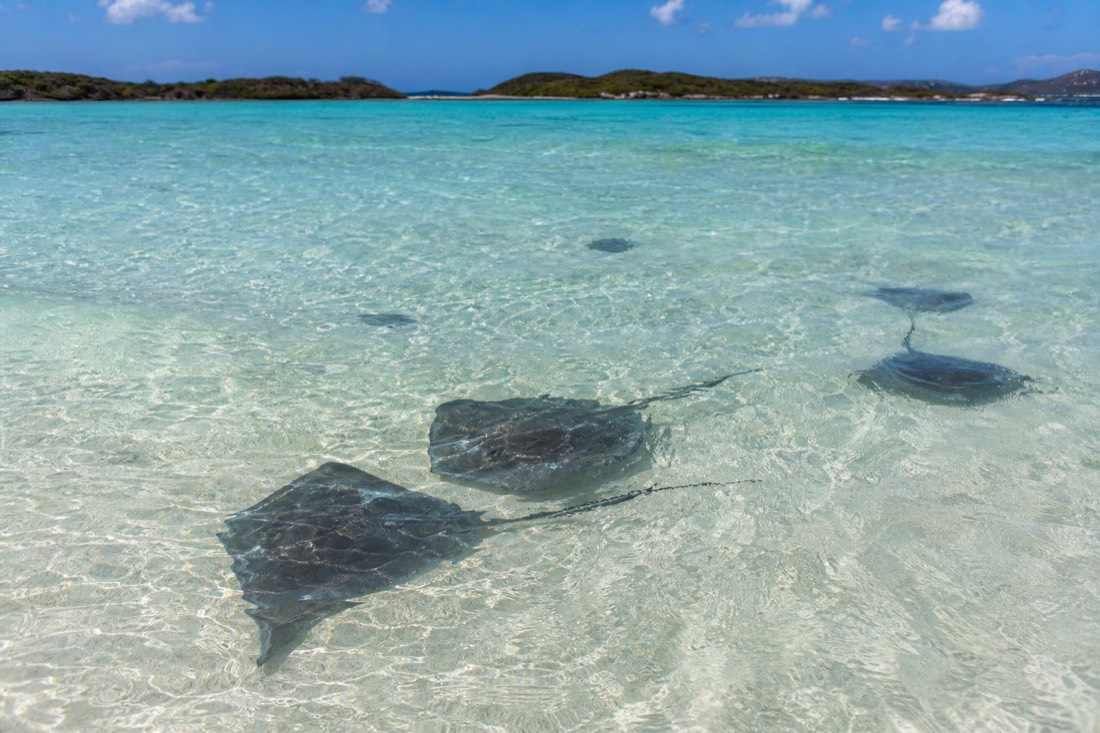
The rays gather here because they have been fed for years, so they associate the sound of arriving boats with an easy meal. That is the whole mechanism: no fences, no tanks, just a sandbank in clear water where the animals choose to hang around. Southern stingrays are naturally calm, curious and non-aggressive, and years of gentle contact have made this particular group unusually comfortable with people.
What surprises first-timers is how soft and social the encounter feels. The rays are velvety on top and silky underneath, they move in slow, deliberate glides, and they will nose around your legs looking for the squid the crew hands out. Under a good guide it reads less like a thrill ride and more like meeting a very large, very mellow underwater cat.
| Feature | Stingray City Antigua |
|---|---|
| Location | North Sound, off the northeast coast |
| The animals | Wild southern stingrays, habituated to people |
| Setting | Open sea over a natural sandbank, not a tank |
| Water depth | Shallow, standing depth on the bank |
| How you reach it | By boat only |
| Time with the rays | About 1 hour, up to ~1h50 on the dedicated tour |
| Suits | Non-swimmers, children, nervous first-timers |
Where Is Stingray City And How Do You Get There?
Stingray City sits in the North Sound, the sheltered patchwork of reefs and islets off Antigua's northeast corner, reached only by boat. Most trips launch from the Seatons area on the east coast for a short hop out to the sandbank, while full-island powerboat tours fold it into a longer loop. There is no way to walk or drive to it; the boat ride is part of the experience.
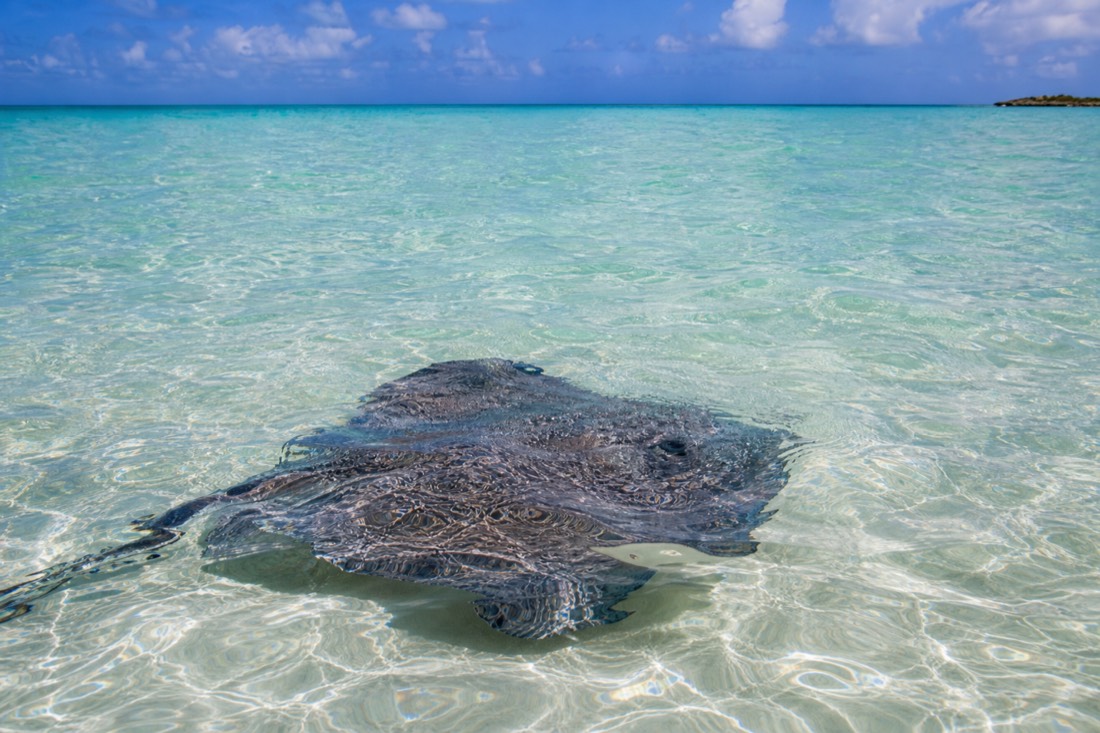
The most direct route is a dedicated stingray tour that transfers you across to the eastern docks and then makes a quick eight-minute boat sprint out to the bank. That short crossing keeps you in the water longer and is why the small-group trips can spend the better part of two hours at the sandbank. The North Sound's inner reefs shelter the whole area, so the water over the bank is usually calm and clear.
The alternative is to catch Stingray City as one stop on a full-island powerboat circumnavigation, which reaches the sandbank early in its loop before carrying on to snorkel sites and remote beaches. You trade a little time with the rays for a much bigger day on the water. Both approaches are boat-based; the North Sound's beauty, all mangrove keys and turquoise flats, is a genuine bonus of getting there. If you are arriving by ship, our Antigua cruise port guide explains how the pickups and return timing work.
What Is The Stingray Encounter Actually Like?
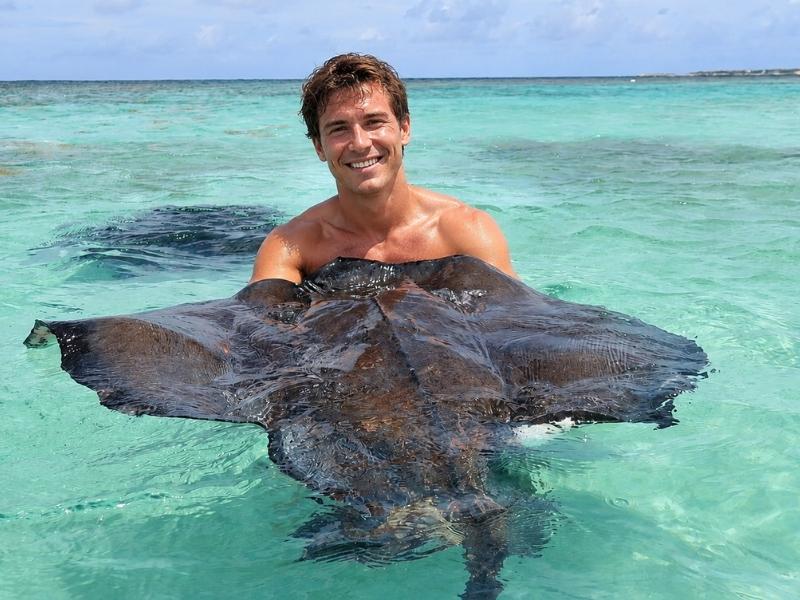
You anchor over the sandbank, slip into water that is roughly chest-deep, and stand while the guides bring the rays to the group. Over about an hour you can hold a ray flat across your arms, feel it glide past your legs, hand-feed it squid under supervision, and get the classic photo. The pace is calm and structured, and the crew stays in the water with you throughout.
The operator describes water around 1.4–1.45 metres deep. Children and shorter adults may not be able to stand. Confirm flotation, assistance and individual suitability before booking. The land-and-sea itinerary lists about 60 minutes in the water; the full-coast boat trip lists about 45–60 minutes.
The full-island powerboat version runs a tighter, structured session of roughly forty-five minutes to an hour at the Stingray City Marine Park, with the crew supervising in the water and helping you feed and hold the animals. Either way the choreography is the same: the guides manage the rays, you follow their lead, and the encounter stays gentle for both you and the wildlife. Snorkeling gear comes provided, so you can also drop your face in and watch the rays and reef fish move over the sand.
What Does A Stingray City Visit Look Like, Start To Finish?
A dedicated trip runs like this: hotel or port pickup in the morning, a short transfer to the east-coast dock, a quick boat hop to the sandbank, then the long in-water session with the rays, a snorkel over the shallow reef, and the ride back. On a full-island tour the ray stop is one early chapter in a whole day of coast, beaches and snorkel sites.
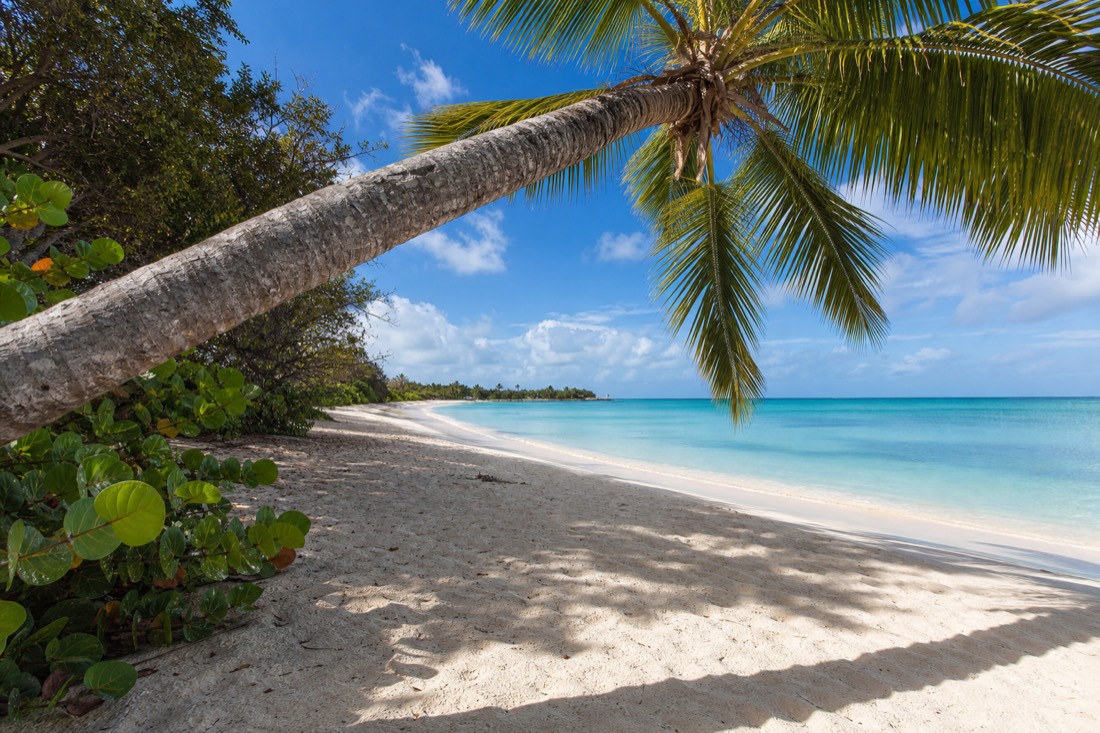
The morning starts with a pickup at your resort or a meeting point near the cruise pier, then a short air-conditioned transfer to the boats. The crossing to the North Sound bank is brief, often under ten minutes, so you are in the water quickly. There is a safety briefing first, the crew shows you the stingray shuffle and how to hold your hands, and then you wade in.
The heart of it is the in-water time: standing on the bank while the guides bring the rays over, feeding and holding them, and dropping your mask to watch the sand-flat life. On the dedicated tour you also get a snorkel at sheltered Long Bay, a look at the Devil's Bridge sea arch, and a home-cooked lunch before the return. The pace is unrushed, the transfers are short, and you are back by early afternoon with the day's best photos already taken.
Are The Stingrays Dangerous? Is It Safe To Swim With Them?
It is safe when you follow the crew. Southern stingrays are gentle and non-aggressive, and these are habituated to people. They carry a barb near the tail, used only in defense if stepped on, so the golden rule is to shuffle your feet rather than step down, and let the guides handle the animals. Injuries on well-run tours are very rare.
The barb is the one thing people worry about, and it deserves a straight answer. A stingray's spine is a defensive tool, not a weapon it uses offensively; a ray will only strike if it is trodden on or trapped. That is why the "stingray shuffle", sliding your feet instead of stepping, matters: it nudges any resting ray out of the way instead of pinning it. Do that, keep your movements slow, and the risk drops to near nothing.
The rest is about respecting the animals. Feed only what and how the guides show you, keep your fingers flat when you offer food, do not grab or chase a ray, and never lift one out of the water. The crews here supervise every minute in the water and brief you before you get in, precisely so the encounter stays safe for you and stress-free for the wildlife. Because the sandbank is shallow, an anxious swimmer is never out of their depth. For the wider picture on staying safe around Antigua's coast, see our honest Antigua safety guide.
| Do | Don't | Why it matters |
|---|---|---|
| Shuffle your feet on the sand | Step straight down | Nudges resting rays clear instead of pinning them |
| Let the guides handle the rays | Grab, chase or lift a ray | Keeps the animals calm and you safe |
| Feed with a flat hand as shown | Feed with pinched fingers | Rays suck food in and can nip poking fingers |
| Move slowly and calmly | Splash or make sudden lunges | Sudden movement startles the animals |
| Listen to the pre-swim briefing | Wander off from the group | The crew supervises the whole bank for a reason |
Is Stingray City Good For Non-Swimmers, Kids And Nervous First-Timers?
The operator describes water around 1.4–1.45 metres deep. Children and shorter adults may not be able to stand. Confirm flotation, assistance and individual suitability before booking. The land-and-sea itinerary lists about 60 minutes in the water; the full-coast boat trip lists about 45–60 minutes.
The operator describes water around 1.4–1.45 metres deep. Children and shorter adults may not be able to stand. Confirm flotation, assistance and individual suitability before booking. The land-and-sea itinerary lists about 60 minutes in the water; the full-coast boat trip lists about 45–60 minutes.
For families it is close to ideal. Children old enough to stand and follow instructions can meet the rays under a parent's and a guide's eye, the boat rides are short, and the sense of wonder is real. Do bring the sun protection, since the sandbank is open and unshaded, and keep little ones within arm's reach. The stingray stop is often the moment kids talk about for the rest of the trip, which is why it anchors our list of the best excursion in Antigua.
| Visitor | Why the encounter works |
|---|---|
| Non-swimmers | You stand on the sandbank; flotation is provided |
| Young children | Shallow water, short boat rides, close supervision |
| Nervous swimmers | in water that may be too deep for children or shorter adults; calm and guided throughout |
| Photographers | Clear shallow water and cooperative, slow-moving animals |
| Seasick-prone travelers | The short North Sound crossing beats the fast circumnavigation |
What Are The Two Ways To Visit, And Which Suits You?
There are two good ways in. A dedicated small-group land-and-sea tour gives you the longest time with the rays, plus Devil's Bridge, a snorkel and a plantation lunch. A full-island powerboat loop gives you a shorter ray session but wraps in the whole coastline, the Pillars of Hercules and a remote beach. Pick depth with the rays or breadth around the island.
The dedicated option is the 4-in-1 small-group stingray tour. It maximises time at the sandbank, close to two hours, and pads the day with the dramatic Atlantic arch at Devil's Bridge, an easy snorkel over the sheltered reef at Long Bay, and a home-cooked Antiguan lunch in the fishing village of Seatons. With the group capped small, the guides can give everyone real attention with the rays. It is the pick if the stingrays are the point and you want a calmer, more personal day.
The bigger day out is the full-island Xtreme Circumnavigation powerboat trip, a high-speed loop of the entire coast. Stingray City is an early highlight, followed by a beach buffet on uninhabited Green Island, a snorkel beneath the towering Pillars of Hercules, and a swim at hidden Rendezvous Bay. You get less time with the rays but see far more of Antigua from the water. The table lays the two side by side.
| Feature | Small-group land & sea | Full-island powerboat |
|---|---|---|
| Time with the rays | Longest, around 1h50 at the bank | Shorter, about 45 min to 1 hour |
| Group size | Small, up to about 14 | Larger, up to about 22 |
| Also includes | Devil's Bridge, Long Bay snorkel, plantation, lunch | Green Island lunch, Pillars of Hercules, Rendezvous Bay |
| Pace | Relaxed, varied land and sea | Fast, adrenaline powerboat loop |
| Typical price | Around $205, check the live listing | Around $221, check the live listing |
| Best for | First-timers who want depth with the rays | Seeing the whole island in one big day |
What Should You Bring And Wear?
Pack for a sunny day standing in the sea: swimwear, reef-safe sunscreen, a towel, and something for your feet on the boat. The dedicated tour provides a 50 UPF rash guard and snorkel gear, so sun cover is handled there. Apply sunscreen well before you get in, bring a waterproof camera or float strap for your phone, and carry a little cash for extras.
Sun is the real adversary, since the sandbank is open water with zero shade and the reflection off the pale bottom doubles the exposure. A rash guard beats reapplying sunscreen every twenty minutes, and where the small-group tour supplies a 50 UPF top you can leave your own behind. If you are using sunscreen, choose a reef-safe formula and, importantly, put it on well before you enter the water rather than at the bank, both for the coral and because you are about to be handling animals.
The other essentials are about not losing things and not missing the shot. A waterproof phone pouch or a floating wrist strap saves many a camera at the sandbank, a quick-dry towel makes the boat ride home comfortable, and a small amount of cash covers beach-chair hire, a drink or a printed photo where offered. Leave the valuables you do not need at the hotel.
| Bring | Why | Note |
|---|---|---|
| Swimwear (worn under clothes) | You are in the water at the bank | Change facilities are limited on the go |
| Reef-safe sunscreen | Open, unshaded sandbank | Apply before the water, not at the rays |
| Rash guard | Better sun cover than lotion | Provided on the small-group tour (50 UPF) |
| Waterproof phone pouch or camera | The photos are the souvenir | Use a float strap so it survives a drop |
| Quick-dry towel and a little cash | Comfort and small extras | Not always included; check your tour |
How Much Does It Cost, And How Do You Book?
As a planning allowance, budget the current quoted price for the dedicated small-group land-and-sea stingray tour and the current quoted price for the full-island powerboat loop, both including transfers and gear. Prices shift with season and demand, so treat those as a starting point and confirm the live figure before booking. Booking ahead is wise, since the small-group trips cap numbers and sell out in cruise season.
Those figures are drawn from the operators' current listings and cover the substance of the day: round-trip transport, the boat, snorkel equipment and, on the dedicated tour, the rash guard and a local lunch. Gratuities, beach-chair hire and souvenir photos usually sit on top. As always, the honest phrasing is "around this much, check the live listing," because Caribbean tour pricing moves with the calendar.
To book, you can reserve a guided stingray trip through us and pay on the operator's platform, which is the simplest way to lock a spot and keep the small-group cap in mind. A gentle, well-run entry point is the small-group stingray tour, and you can check live availability and prices on its listing. If you would rather compare the island's whole slate first, our full range of Antigua tours puts the stingray trips next to the beach days and land adventures.
When Is The Best Time To Go?
Morning trips tend to be calmest, with clearer water and lighter wind before the afternoon breeze picks up over the North Sound. The rays are present year-round. The peak dry season from December to April brings the most reliable conditions and the biggest crowds; the June-to-November hurricane season is quieter and cheaper but calls for a flexible plan and travel insurance.
Because the encounter happens on an open sandbank, sea state matters more than season for how the day feels. Early departures usually mean flatter, clearer water and better visibility for the snorkel portion, which is one more reason the small-group tours leave in the morning. The sheltered North Sound holds up better than the exposed coasts on a breezy day, so the sandbank is often swimmable even when the Atlantic side is rough.
Season affects crowds and weather more than the rays themselves. The Atlantic hurricane season runs June 1 to November 30 and peaks from August to October, per NOAA's National Hurricane Center, so trips in those months are cheaper and quieter but occasionally weather-disrupted. To weigh months against crowds and price, our best time to visit Antigua guide breaks down the whole calendar. For general island facts and the marine parks, the official Antigua and Barbuda tourism authority is a useful reference.
| When | Conditions | What to expect |
|---|---|---|
| Morning departures | Calmest, clearest water | Best visibility for the snorkel portion |
| December to April | Dry season, most reliable | Busiest; book ahead in cruise season |
| June to November | Green season, occasional storms | Quieter and cheaper; insure and stay flexible |
| Any breezy day | Sheltered North Sound holds up | Often swimmable when the Atlantic side is rough |
Insider Tips And Mistakes To Avoid
The common regrets are simple ones: booking a rushed session, skimping on sun protection, applying sunscreen right before touching the rays, and leaving the phone in a pocket. Go in the morning, choose the trip whose ray-time matches what you want, cover up for the sun before you get in, and bring a waterproof way to shoot photos. Then relax and let the crew run the encounter.
A few specifics save the day. If the rays are your main reason for the trip, do not default to the powerboat loop just because it sees more of the island; the dedicated small-group tour gives you far longer at the bank. If you are prone to seasickness, the short crossing to the North Sound is far gentler than the fast open-water circumnavigation, another point for the dedicated option. And whichever you pick, arrive early for your pickup, since these operators run tight timetables around cruise schedules.
Finally, treat the encounter as the wildlife moment it is. The rays are wild animals being generous with their space, so follow the guides, keep your movements soft, and take your photos without crowding the animals. Do that and you get the best of both worlds: a genuine close encounter and a clear conscience. For where this fits among the island's other highlights, our roundup of the best things to do in Antigua puts the sandbank in context, and if you would rather have the whole day arranged, our team can book a guided Antigua excursion around it.