Best Time To Visit Antigua (2026-2027)
Antigua runs warm and sunny all year, but the dry season from December to April brings the calmest seas and the biggest crowds. The quieter summer and autumn months trade the odd shower for lower prices.
Visit Nelson’s Dockyard, Shirley Heights and Devil’s Bridge in one guided drive. Discover Round Island Highlights
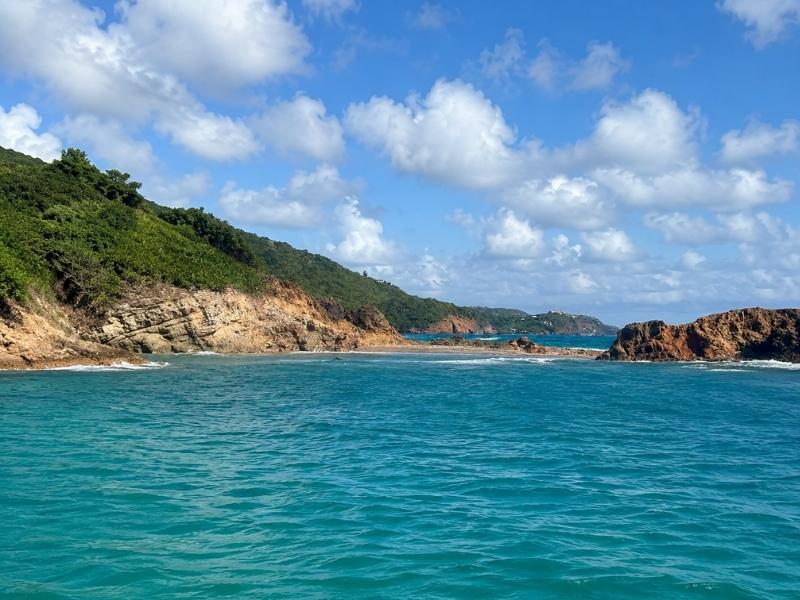
Antigua sells itself on 365 beaches and near-constant sun, and the climate mostly backs that up. What actually shifts across the year is not whether the sun shines but how calm the water is, how full the beaches get, and how much a room costs. Pick the month that matches the trip you have in mind, and the island does the rest.
Booking Choice: Visit Nelson’s Dockyard, Shirley Heights and Devil’s Bridge in one guided drive. Check Dates: Round Island Highlights
Antigua month by month, at a glance
Typical planning allowances drawn from long-term climate norms for V.C. Bird International and the Atlantic hurricane record. Weather varies year to year, so treat the colours as tendencies, not guarantees.
When Is The Best Time To Visit Antigua?
The most reliable window is mid-December to mid-April, the dry season, when rainfall is lowest, humidity is comfortable and the sea is flat enough for every kind of boat trip. The trade-off is crowds and peak prices. For value with only a small weather gamble, aim for May or November.

Antigua sits in the northeast Caribbean where the pattern is warm-and-dry against warm-and-wetter, not summer against winter. Daytime highs move only about five degrees Fahrenheit across the whole year, from the low 80s in January to the high 80s in late summer. That is why the decision comes down to sea state, crowds and cost rather than temperature. Our own Antigua tours run year round, so the honest question is never whether the island is open, only which month suits you.
Three broad seasons are worth naming. The high, dry season peaks from Christmas through Easter. The shoulder months of May and November sit either side of it and often deliver dry-season weather at low-season prices. Then the low summer-to-autumn stretch runs from June into November, hotter and stickier, quieter and cheaper, and overlapping the Atlantic hurricane season.
What Is Antigua's Weather Like Month By Month?
Every month is warm and swimmable. February to April are the driest and least humid. May brings the first proper showers. July through October are hot and humid with the year's heaviest rain arriving in the autumn, while November dries out again as the high season returns.
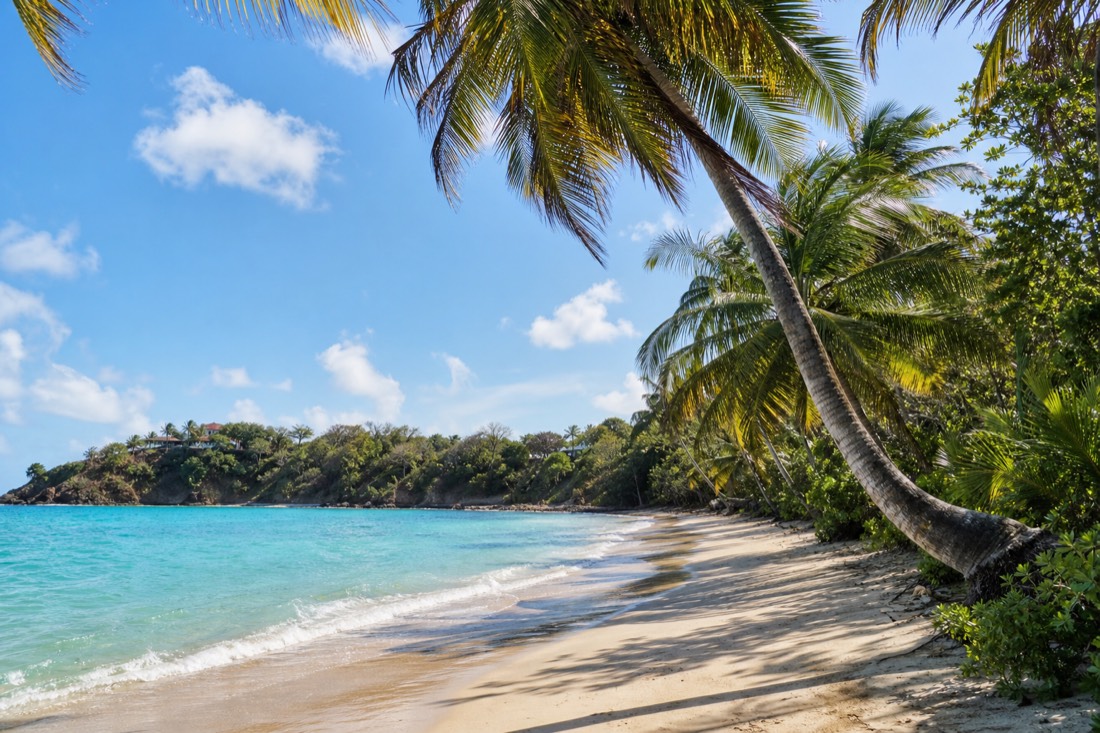
The scorecard below is a planning tool, not a forecast. It blends long-term temperature and rainfall norms for V.C. Bird International with the practical realities of crowds and pricing that our team and the operators we work with see season to season.
Antigua is one of the drier islands in the Eastern Caribbean, so even in the wet months the typical pattern is a short, heavy afternoon shower rather than a washed-out day. Rain rarely cancels a beach afternoon here.
| Month | Avg high | Sea temp | Rainfall | Crowds | Prices | Verdict |
|---|---|---|---|---|---|---|
| January | 82°F / 28°C | 79°F / 26°C | Low–moderate | Very busy | High | Bright and breezy; book early |
| February | 82°F / 28°C | 79°F / 26°C | Lowest | Very busy | Highest | Prime: calm, dry, sunny |
| March | 83°F / 28°C | 79°F / 26°C | Low | Very busy | High | Prime, with strong sailing wind |
| April | 84°F / 29°C | 80°F / 27°C | Low | Busy | High | Warm and dry; Sailing Week late month |
| May | 85°F / 29°C | 81°F / 27°C | First showers | Quieter | Lower | Shoulder sweet spot |
| June | 86°F / 30°C | 82°F / 28°C | Building | Quiet | Low | Warm, cheap; season opens |
| July | 87°F / 31°C | 83°F / 28°C | Showers | Moderate | Low–mid | Hot and lively; Carnival builds |
| August | 87°F / 31°C | 84°F / 29°C | Wetter, humid | Moderate | Low–mid | Hot; storm-watching begins |
| September | 87°F / 31°C | 84°F / 29°C | Heaviest | Very quiet | Lowest | Peak storm risk; cheapest |
| October | 86°F / 30°C | 84°F / 29°C | Heavy | Very quiet | Lowest | Storm risk; deep deals |
| November | 85°F / 29°C | 82°F / 28°C | Wet, then drying | Building | Rising | Season ends 30 Nov; shoulder value |
| December | 83°F / 28°C | 81°F / 27°C | Drying out | Busy (holidays) | High | Dry weather and festive peak return |
A Closer Look At Antigua Season By Season
Group the year into four stretches and the pattern gets clearer. Winter is dry and breezy, spring warms while staying dry, early summer turns hot with the first real showers, and late summer into autumn is the wettest and stickiest. The sea, meanwhile, only drifts between about 79 and 84 degrees Fahrenheit across the whole year.
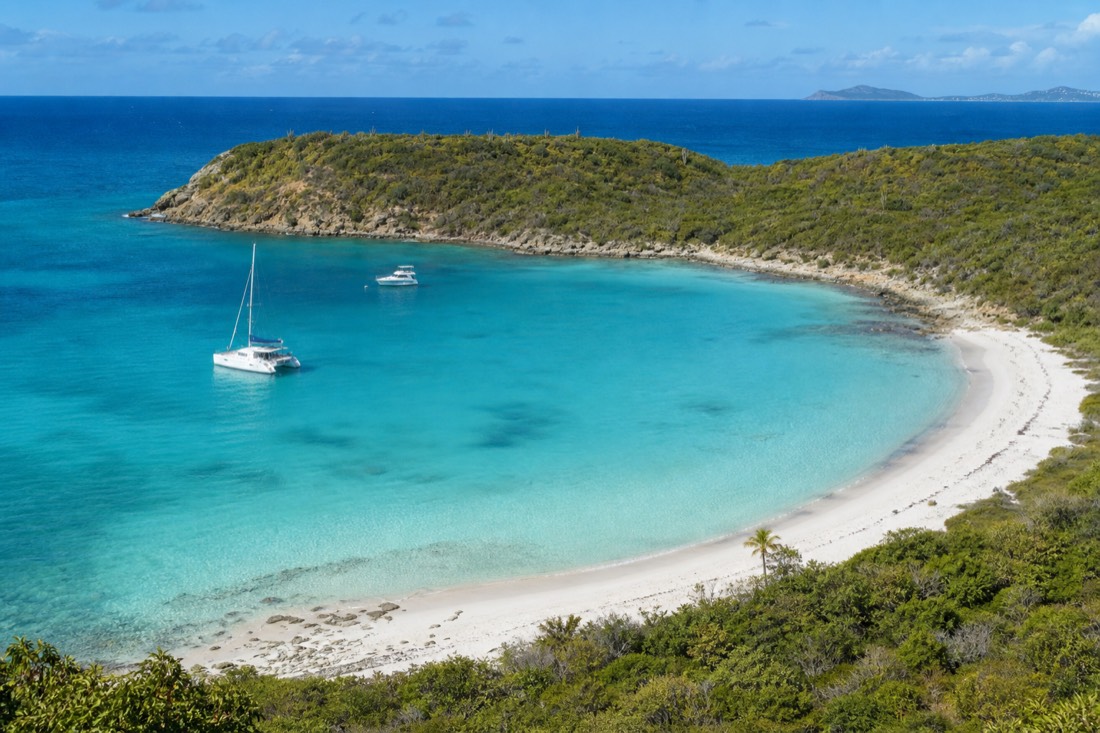
December to February is the classic Caribbean winter: highs in the low 80s Fahrenheit, low humidity, and a steady trade wind that keeps even bright afternoons comfortable. The sea sits around 79 degrees, the coolest it gets, though that is still warm enough to swim without a second thought. Rain arrives as the odd passing shower. This is the driest, most reliable weather of the year, and the busiest.
March to May holds the dry weather while the temperature climbs. March and April rank among the driest months on the island, with strong, consistent trade winds that turn the south coast into a sailing playground. By May the mercury reaches the mid-80s, the sea warms past 80 degrees, and the first proper showers of the year begin to appear, usually brief and late in the day.
June to August runs hot and humid. Daytime highs settle in the high 80s, the sea reaches its warmest at around 83 to 84 degrees, and short, heavy downpours become more frequent. The trade winds ease, which flattens the water for snorkeling but takes the edge off the cooling breeze. This is when hurricane season technically opens, though the real activity is still weeks away.
September to November brings the year's heaviest rain and the peak of storm season, then the recovery. September and October are the wettest, stickiest and quietest months, with the warmest sea of all. By November the rain tails off, the trade winds return, and the island dries out just as the high season starts to rebuild. The water stays warm right through.
Does Antigua Ever Get Too Hot Or Humid?
Rarely uncomfortable. Antigua's temperature barely swings across the year, from the low 80s Fahrenheit in winter to the high 80s in late summer, and a near-constant trade wind takes the sting out of the heat. The humidity is the real variable: comfortable and breezy in the dry season, noticeably sticky from June through October when the wind drops.
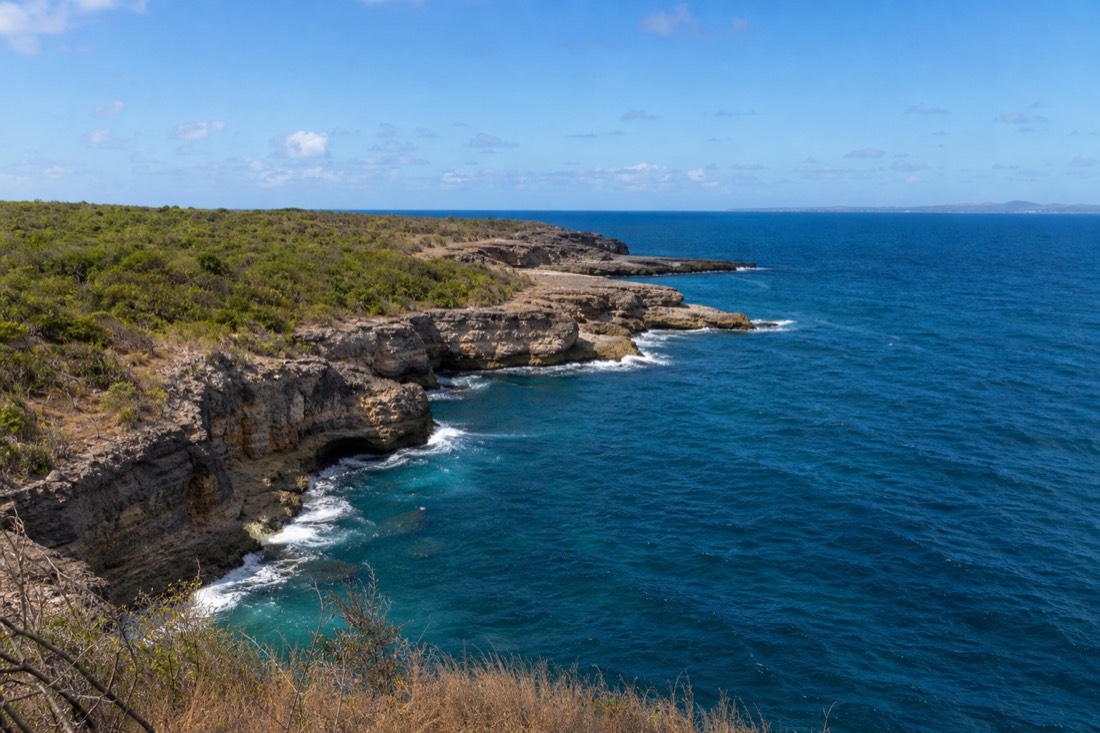
What keeps Antigua bearable when other places at the same latitude feel oppressive is the wind. The island sits in the path of the northeast trades, which blow almost year-round and are strongest in winter and spring, so a beach or a hilltop rarely feels still. That breeze is why the driest months double as the most physically comfortable, and why the exposed south coast is a magnet for sailors.
The trade-off comes in high summer. As the winds ease through the wettest months, the humidity climbs and the air feels heavier, especially inland and away from the coast. It is still a beach-and-sea climate, not a heatwave, but if you feel the heat, book a room with air conditioning or a sea breeze and plan the most active sightseeing for the mornings. The island's boat trips and water-based activities are the natural way to stay cool once the afternoon warms up.
Dry Season Or Wet Season: Which Suits Your Trip?
Choose the dry season, December to April, for flat seas, low humidity and guaranteed sun, and accept the crowds and premium rates. Choose the wet season, June to November, for half-price rooms, empty beaches and warmer water, and accept short afternoon showers plus the small chance a storm reshuffles your plans.
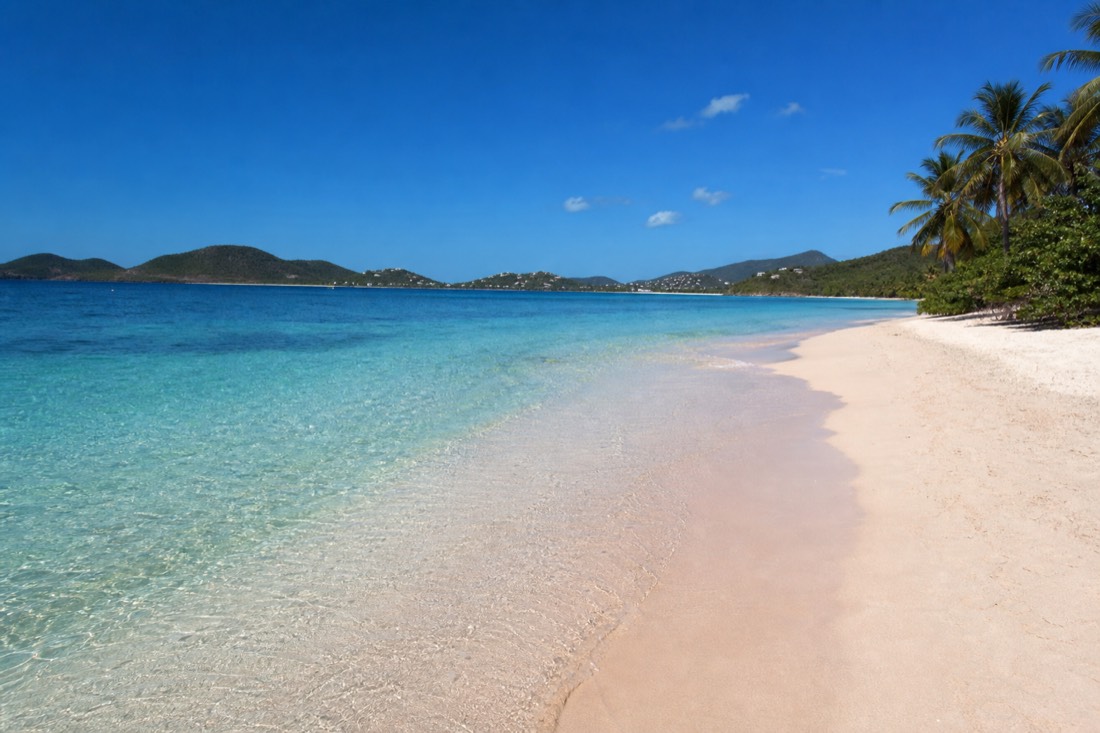
The split is real but often overstated. Wet-season rain here is usually a fast, warm downpour that clears within the hour, not days of grey. What genuinely changes is the wind and swell. The winter trade winds that thrill sailors also put a light chop on the exposed coasts, while the calmer, glassier water for snorkeling often arrives in the late-summer lull, exactly when the storm odds climb.
| Factor | Dry season (Dec–Apr) | Wet season (Jun–Nov) |
|---|---|---|
| Rainfall | Low, brief showers | Higher, heaviest Sep–Nov |
| Humidity | Comfortable, breezy | Noticeably sticky |
| Sea & swell | Bright, some trade-wind chop | Often glassy in the late-summer lull |
| Crowds | High, peak at the holidays | Low, island feels local |
| Prices | Top rates, book months ahead | Deep discounts on rooms and flights |
| Storm risk | Effectively none | Present Jun–Nov, real Aug–Oct |
| Best for | Sun-certain trips, weddings, sailing | Budget travel, quiet beaches, flexible plans |
If you want the reassurance of dry weather without the January price tag, the last week of April and the first two weeks of November are the classic hedges. To match a length of stay to whichever season you land on, our note on how many days you need in Antigua pairs well with this one.
When Is Hurricane Season In Antigua, And How Risky Is It Really?
The Atlantic hurricane season runs from 1 June to 30 November, and the National Hurricane Center puts the real activity between mid-August and mid-October, with a statistical peak around 10 September. Antigua sees far more near-misses and passing swell than direct hits, but the risk in those months is genuine and worth insuring against.
Those dates are the official NOAA and National Hurricane Center definition, chosen because they capture about 97 percent of all Atlantic tropical storms. For a traveller, the practical read is simple. June and July carry a low background risk. August tips the odds up. September and October are the months when a named system is most likely to be somewhere in the region, even if it never touches Antigua.
| Month | Storm risk | What it usually means for a trip |
|---|---|---|
| June | Low | Season opens; disturbances rare and usually weak |
| July | Low–moderate | Occasional tropical wave; mostly normal beach days |
| August | Moderate–high | Activity ramps up; watch the forecast in the last fortnight |
| September | Highest | Statistical peak; most likely month for a passing system |
| October | High | Still active; often paired with the year's heaviest rain |
| November | Low, fading | Risk drops through the month; season closes 30 Nov |
If you do travel in the peak window, two habits matter. Buy travel insurance that covers weather disruption, and book activities with free cancellation so a bad forecast costs you nothing. Boat trips like the full-day Xtreme Circumnavigation powerboat run are the first things to move when a system is near, and reputable operators cancel and refund rather than sail into swell. Our honest look at how safe Antigua is covers the wider storm-season picture, from advisories to what to pack.
What Is The Cheapest Time To Visit Antigua?
September and October are the cheapest by a clear margin, with the lowest room rates and the quietest beaches, because they coincide with peak storm season. June and early November are the smart-money choice: still low-season pricing, but with better odds on the weather and warm, calm water for snorkeling.
The pricing swing across the year is large. A room that commands a premium over Christmas and through February can fall by a third or more in the low months, and airfares follow the same curve. Because Antigua leans on a winter-sun crowd from North America and Europe, the demand map is predictable, which means the value windows are too.
| Period | Price level | Crowds | The trade-off |
|---|---|---|---|
| Mid-Dec to early Jan | Highest | Packed | Festive peak; book six-plus months ahead |
| Feb to mid-Apr | High | Very busy | Best weather, worst value |
| Late Apr & May | Lower | Easing | Dry-ish weather at shoulder rates |
| Jun to Aug | Low–mid | Moderate | Hot and humid; Carnival lifts late-July rates |
| Sep to Oct | Lowest | Very quiet | Rock-bottom prices, highest storm risk |
| Nov | Rising | Building | Value early, climbing toward the holidays |
The shoulder either side of the peak is where the real value sits. Late April through June gives you dry-season-style weather, warm calm water and rates that have dropped well off the winter high, all before the serious storm risk arrives. November is the mirror image on the way out: prices ease early in the month before the holidays pull them back up. If you can travel outside the school-holiday weeks, these shoulder stretches are the sweet spot for stretching a budget without gambling much on the weather.
When Are The Seas Calmest For Boat Trips And Snorkeling?
The leeward Caribbean coast is sheltered and swimmable all year. For the clearest, flattest water on the exposed south and east coasts, the late-summer lull from late August into October is often best for underwater visibility, while the breezier winter months favour sailing over glassy snorkeling.
Antigua has two very different coasts, and the calendar affects each differently. The west and northwest, where Dickenson Bay and the resort strip sit, stay protected almost regardless of season. The Atlantic-facing east and the open south feel the trade winds, which blow hardest from December through spring. That wind is what makes Antigua a sailing capital, but it also lifts a chop that can cloud the water on windward reefs.
| Season | Leeward (west) coast | Windward (east/south) | Snorkel visibility | Sailing wind |
|---|---|---|---|---|
| Dec–Feb | Calm, bright | Breezy, some chop | Good, occasionally stirred | Strong, prime |
| Mar–May | Calm | Windy in spring | Good | Strong |
| Jun–Aug | Very calm | Settling | Very good | Lighter |
| Sep–Oct | Glassy in the lull | Often calmest | Best of the year | Light, variable |
| Nov | Calm, freshening | Wind returning | Good | Building |
This is why a full-circuit boat day is a dry-season staple and also a hidden autumn gem. Circling the island takes in both coasts, so on a breezy winter morning the crew simply spends more time on the sheltered side. If reefs are your priority, our guide to the island's best snorkeling spots and reefs lines up the conditions with the sites, and a guided day on the water keeps you on the calm side whatever the wind is doing.
Will Sargassum Seaweed Affect Your Beach Days?
Possibly, but rarely enough to ruin a trip, and it varies hugely year to year. Sargassum, a floating brown seaweed, drifts across the Atlantic and tends to land on Eastern Caribbean windward shores from roughly spring into summer. In Antigua it mostly affects the exposed east and southeast coasts. The sheltered west and northwest beaches, where most resorts sit, are usually spared.
The seaweed rides in on ocean currents, so the amount changes not just year to year but week to week, and some seasons see barely any at all. When it does come ashore it piles up on the windward Atlantic-facing beaches, the same coasts that catch the trade-wind swell, while the calm leeward bays on the other side of the island stay clear. That geography is your simplest defence: if one beach is fringed with weed, the opposite coast usually is not.
The practical read is to keep beach plans flexible in the spring and summer months, favour the leeward west if you want a guaranteed clear swim, and remember that resorts on the affected coasts rake their sand daily. Because the timing shifts every year, no calendar can promise a weed-free week, only point you to the coast least likely to see it.
| Coast | Sargassum tendency | What to do |
|---|---|---|
| West & northwest (leeward) | Usually clear year-round | The safe bet; most resorts sit here |
| Southwest | Generally clear | Calm bays, reliable swimming |
| East & southeast (windward) | Most affected, spring into summer | Beautiful, but check conditions in season |
Should You Plan A Trip Around Antigua Sailing Week Or Carnival?
Two events dominate the calendar. Antigua Sailing Week fills English Harbour in late April, running 21 to 25 April in 2027. Carnival takes over St. John's from late July into early August, with the Grand Parade on Carnival Tuesday, 4 August in 2026. Both are worth planning around, or deliberately avoiding, depending on the trip.
Sailing Week is one of the Caribbean's classic regattas and has drawn crews to the south coast for more than half a century. It is a spectacle from shore even if you never step on a race boat, but English Harbour accommodation books out and rates climb. The official Antigua Sailing Week programme confirms the 58th edition for 21 to 25 April 2027. Carnival is the island's biggest cultural celebration, a summer festival of soca, steelpan and mas that marks emancipation and peaks with J'ouvert before dawn and the full-costume parade.
| Event | When | Effect on demand |
|---|---|---|
| Christmas & New Year | Mid-Dec to 2 Jan | Highest rates of the year; book far ahead |
| Antigua Classic Yacht Regatta | Mid-to-late April | English Harbour fills; leads into Sailing Week |
| Antigua Sailing Week | Late April (21–25 Apr 2027) | South-coast rooms scarce and pricey |
| Antigua Carnival | Late July to early Aug (Grand Parade 4 Aug 2026) | St. John's busy and lively; rates firm up |
| Low autumn lull | Sep to early Nov | Cheapest, quietest; storm season |
For visitor-facing dates and public-holiday closures, the national tourism body at Visit Antigua and Barbuda is the source we cross-check against. If a cruise ship is your way in, note that both events can crowd the capital on a port day; our Antigua cruise port guide covers timing around them.
A Month-By-Month Verdict For Each Kind Of Traveller
There is no single best month, only a best match. Sun-certain honeymooners should target February or March. Sailors want late April. Families and budget travellers do best in June or early November. Cruisers and reef-focused snorkelers get the flattest water in the autumn lull, storm forecast permitting.
The point of all this data is to stop you optimising for the wrong thing. A photographer chasing golden light and empty sand wants a completely different week from a family counting pennies, and both are right. Line your priority up against the month and the choice makes itself.
| Traveller | Best window | Why |
|---|---|---|
| Beach lounger, sun-certain | Feb–Mar | Driest weeks, lowest humidity, reliable sun |
| Honeymooners & couples | Feb–Apr or Nov | Calm evenings, either prime weather or quiet value |
| Sailors & regatta fans | Late April | Strong trades and Sailing Week on the south coast |
| Families | Jun or early Nov | Low prices, warm calm sea, manageable crowds |
| Budget travellers | Sep–Oct | Cheapest rooms and flights, empty beaches |
| Snorkelers & divers | Late Aug–Oct | Glassiest water and best underwater visibility |
| Cruise passengers | Dec–Apr | Peak sailing calendar, driest port days |
Whichever week you choose, the island rewards a plan. Pin down the season first, then book an Antigua island tour for the day you most want the weather to cooperate, and keep the flexible activities for the days you would rather read the forecast. For ideas once the dates are set, our roundup of the best things to do in Antigua fills in the rest.