Best Beaches In Antigua: All 365, Ranked
Antigua is famous for having a beach for every day of the year, and the reality lives up to the slogan. There is soft leeward sand on the calm Caribbean side, wilder surf on the Atlantic coast, and quiet coves you reach only by boat.
Settle into a recliner under an umbrella with a lobster lunch and arranged transfers. Discover Dickenson Bay Beach Day
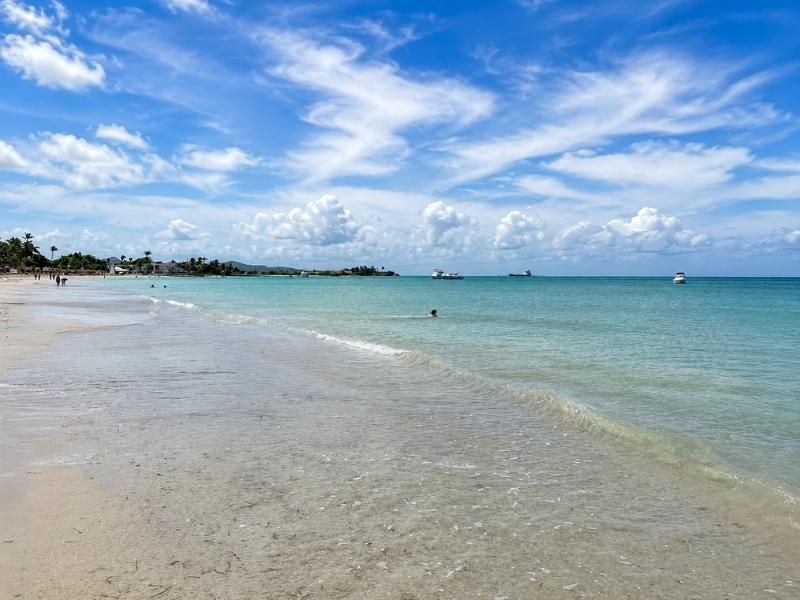
The claim you hear first is the tidy one: 365 beaches, one for every day of the year. Whether that is an exact count or a happy round number, the point stands. This is a small island, roughly 14 miles across, with more sand than anyone visits in a fortnight. The real skill is knowing which coast to aim for on a given morning, because the wind decides everything.
Booking Choice: Settle into a recliner under an umbrella with a lobster lunch and arranged transfers. Check Dates: Dickenson Bay Beach Day
The short version: the leeward west and north coasts hold the calmest, easiest swimming sand (Dickenson Bay, Ffryes, Darkwood). The windward east faces the open Atlantic and runs from dramatic to rough (Half Moon Bay, Long Bay). The prettiest empty coves, Rendezvous and Green Island among them, sit on the south side and are reached only by boat.
Antigua's five coasts, at a glance
Which side to aim for by sea conditions. Calm swimming sits on the leeward west and north; the Atlantic east runs wild.
Does Antigua Really Have 365 Beaches?
Antigua is famous for having 365 beaches, one for each day of the year. The figure is a tourism-board flourish rather than a survey, but the island genuinely carries well over a hundred named strands and countless small coves. They spread across five distinct coasts, each with its own sea conditions, so the number matters far less than which side you visit on the day.
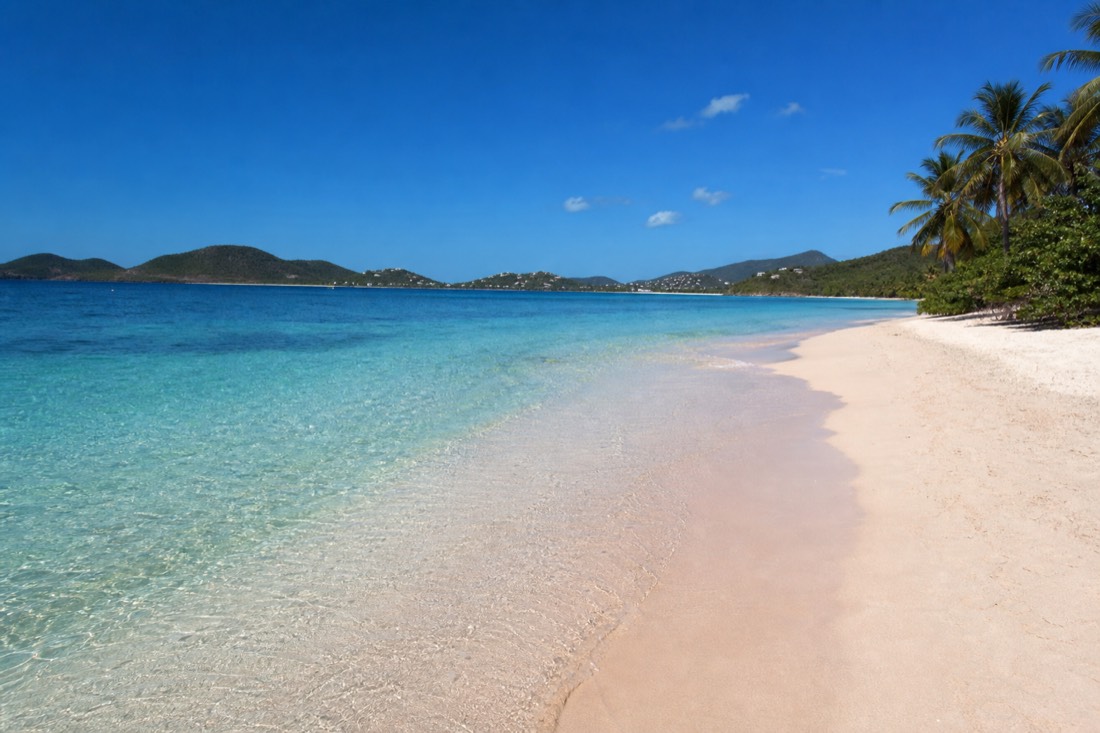
What makes the count believable is the shape of the place. Antigua is low and crinkled, its shoreline folded into bay after bay by old volcanic headlands and coral shelves. A short drive delivers you from a busy resort strip to a cove where the only footprints are your own. Because the island is compact, you can sample two or three completely different beaches in a single day without a long transfer between them.
The one rule worth learning before anything else is the wind. The trade winds blow from the east almost all year, so the eastern (windward) shore takes the Atlantic swell while the western and northern (leeward) shores sit sheltered and calm. Match your plan to that and the island opens up.
| Coast | Wind exposure | Water and swimming | Crowds | Example beaches |
|---|---|---|---|---|
| North | Sheltered (leeward) | Calm, shallow, easy | Busiest, resort strip | Dickenson Bay, Runaway Bay |
| West | Sheltered (leeward) | Calm, gentle shore break | Moderate, near town | Fort James, Deep Bay, Hawksbill |
| Southwest | Mostly sheltered | Calm, reef-protected | Moderate, spread out | Ffryes, Darkwood, Morris Bay |
| South and English Harbour | Variable, some reef cover | Calm coves, a few open | Quiet to remote | Rendezvous Bay, Galleon, Pigeon Point |
| East | Exposed (windward) | From lively to rough surf | Quietest, wildest | Half Moon Bay, Long Bay, Green Island |
Which Side Of Antigua Has The Calmest Water?
The west and north coasts have the calmest water, because they sit on the leeward side away from the trade winds and the Atlantic swell. Dickenson Bay, Ffryes, Darkwood and Morris Bay stay flat and clear on most days, which makes them the reliable picks for swimming, families and anyone who dislikes waves. The east coast is the opposite: beautiful, but often rough.
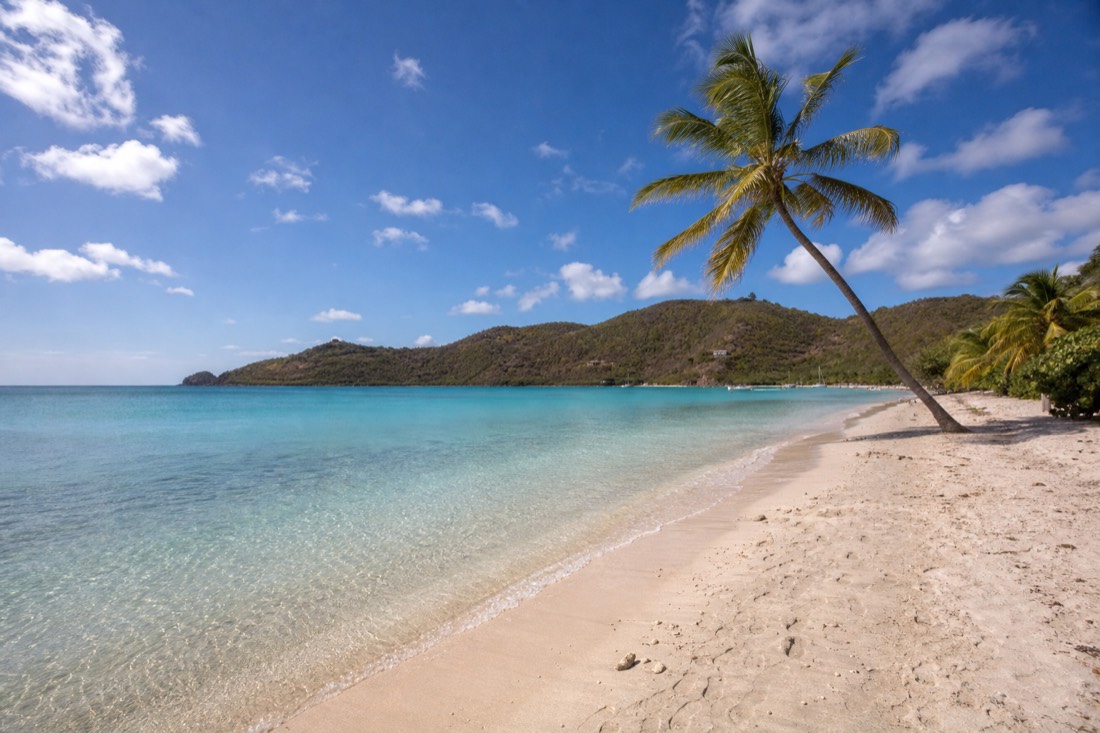
Dickenson Bay, on the north shore, is the clearest example. Our operators describe it as tranquil, low-swell shallows on the northern Caribbean shelf, the kind of water where you can float for an hour and beachcomb the soft sand without a wave knocking you off balance. It is also the most developed strip on the island, so it trades solitude for beach bars, loungers and easy access.
Down the southwest, Morris Bay and Darkwood get their calm from something offshore rather than the coastline itself. Both sit behind Cades Reef, the barrier reef that runs parallel to the coast and absorbs the ocean energy before it reaches the sand. Morris Bay in particular is sheltered from winter swells by the reef and bounded at one end by the Curtain Bluff headland, which is why the water there reads as glass on a still morning.
| Beach | Coast | Why it stays calm | Good for |
|---|---|---|---|
| Dickenson Bay | North | Leeward, shallow shelf, low swell | Easy swimming, beach bars, sunset |
| Ffryes Beach | Southwest | Leeward, gently curved bay | Wide sand, swimming, sunset |
| Darkwood Beach | Southwest | Sheltered behind Cades Reef | Long swim, beach shacks, views |
| Morris Bay | South | Reef-protected, headland-bounded | Calm swimming, shade, quiet |
| Deep Bay | West | Enclosed horseshoe bay | Flat water, gentle entry |
The North Coast: Dickenson Bay And Runaway Bay
The north coast holds Antigua's busiest and most convenient sand. Dickenson Bay is the headline: a long white-sand strip on calm, shallow water, lined with resorts and beach bars, less than a 20-minute drive from St. John's and the cruise port. Its quieter neighbour, Runaway Bay, curves along the same sheltered shelf just to the south, with fewer crowds and the same easy swimming.
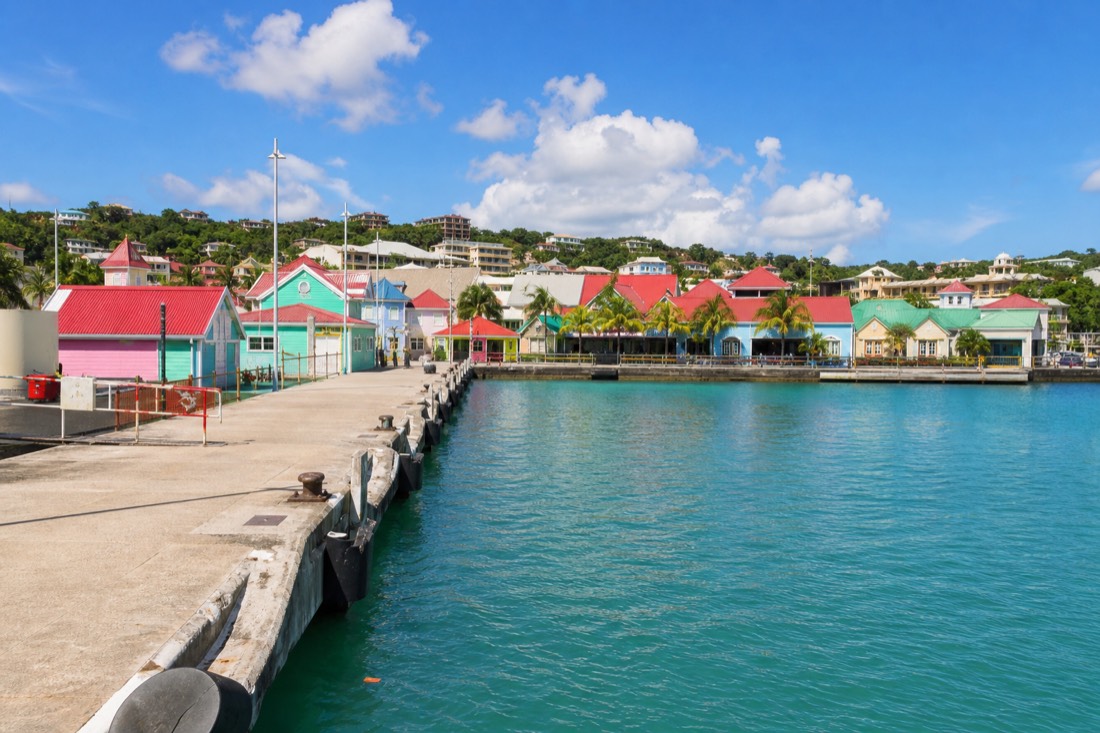
Dickenson Bay (you will also see it spelled Dickinson) is where most first-timers start, and for good reason. The water is dependable, the sand is soft, and a full spread of services sits right behind it. There is an offshore floating tiki platform, the Kon-Tiki, moored out in the middle of the bay that you can swim or catch a tender boat out to, and the western horizon here delivers what the locals rate as the best sunsets on the island. A relaxed way to lock it in is a private Dickenson Bay beach day with loungers, a beach lobster lunch and round-trip transfers handled for you; you can check live availability and prices on the operator's listing.
Runaway Bay sits immediately south and shares the shelf. It sees less development and a thinner crowd, which suits people who want the calm north-coast water without the bustle. Further round toward the airport, Jabberwock Beach is a different animal: open, windswept and popular with kitesurfers precisely because it catches the breeze the swimming beaches avoid.
The West Coast: Fort James, Deep Bay And Hawksbill
The west coast trades the resort strip for beaches close to St. John's and a string of sheltered bays. Fort James Beach sits beside an 18th-century fort just north of town. Deep Bay is an enclosed horseshoe with famously flat water and an old shipwreck in the middle of the bay. The Hawksbill bays, a little further south, are a run of quieter coves under a rock formation offshore.
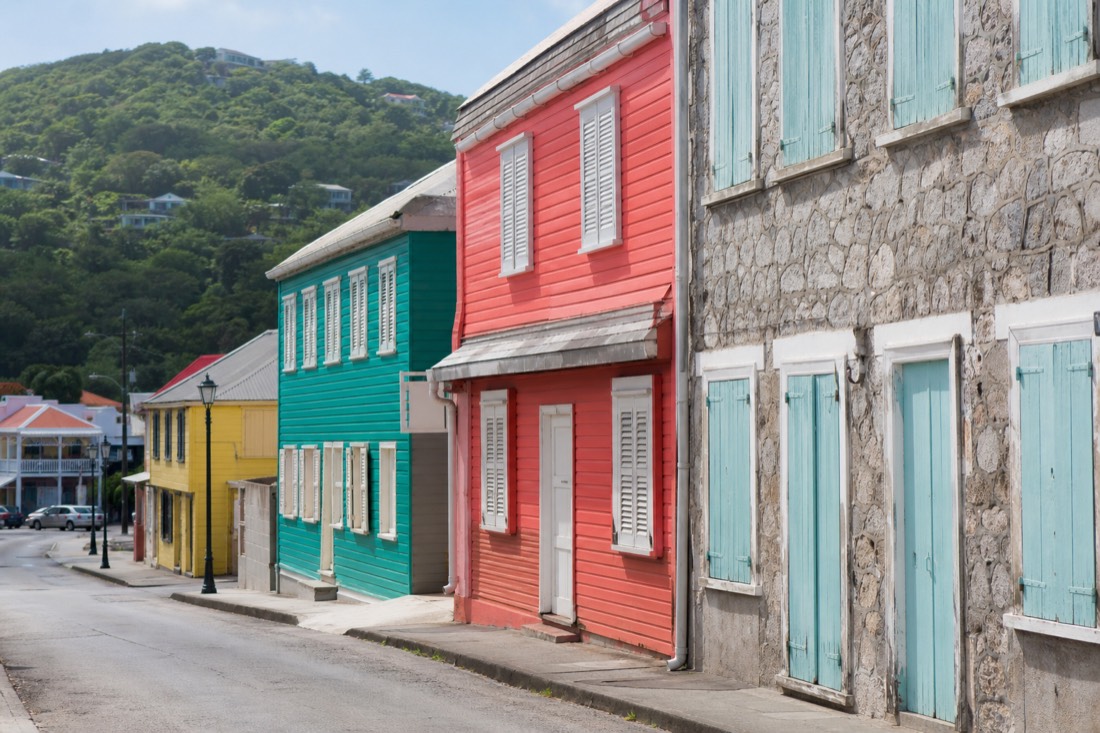
Fort James is an alternative place to watch the sunset independently. A current e-bike departure was not verified for this review. For the Shirley Heights party, the dedicated evening transfer is the relevant booking.
Deep Bay is the west coast's calm-water star, a near-circular bay that stays sheltered from almost any direction, with the wreck of the Andes resting in the shallows for snorkelers to explore. Hawksbill, named for the offshore rock shaped like a turtle's head, strings together several small beaches, the most remote of which has long been Antigua's best-known clothing-optional stretch. Galley Bay, between them, is prettier still but can pick up surf when the swell wraps around, so it is worth a look at the water before you commit to a long swim.
The Southwest Coast: Ffryes, Darkwood And The Cades Reef Beaches
The southwest is where many regulars settle in. Ffryes Beach is a wide, curving bay with room to spread out and a couple of beach bars; Darkwood is a long dramatic sweep of white sand backed by green hills; and both, along with Turner's, Valley Church and Jolly Beach, sit on calm leeward water sheltered by the long Cades Reef offshore.
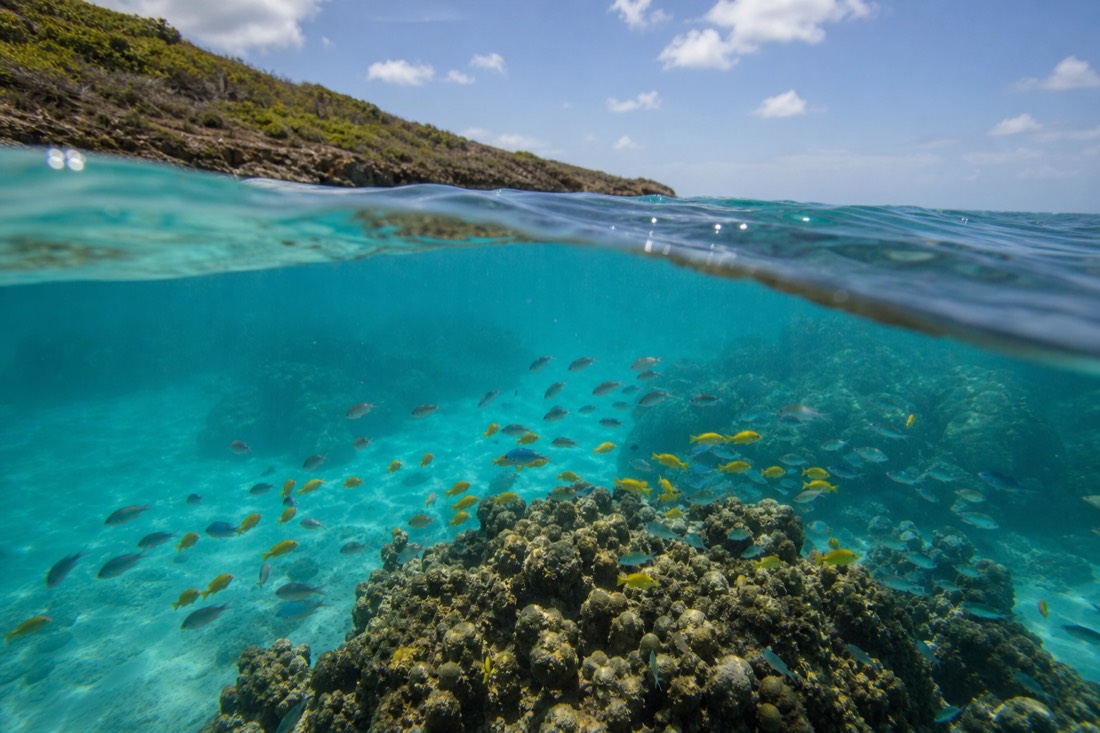
Darkwood earns the pictures. Our tuk-tuk operators run their beach-hopping day down this way and describe it as a long stretch of white sand offset by rolling green hillsides, with fantastic open swimming and a few beach shacks for a cold drink and local music. It is also where the self-drive reef boats skim past on their way to Cades Reef, so you often see small craft carving the turquoise just offshore. A car-free way to link these southwest beaches with the rainforest above them is a tuk-tuk beach-hopping and rainforest run that threads Fig Tree Drive down to Morris Bay and Darkwood.
Ffryes is the crowd-pleaser of the group: broad, flat and good for a long lazy afternoon, with one of the better west-facing sunsets. Turner's and Valley Church are quieter siblings on the same coast, and Jolly Beach is the long, developed one near Jolly Harbour. Morris Bay, at the southern end, is the calmest of all, palm-fringed and reef-protected, with fishing boats rocking at anchor and coconut trees for shade. One local quirk: at Morris Bay you cross a grassy lawn to reach the sand, and that turf hides prickly burrs, so keep your sandals on until you are clear of the grass.
| Beach | Coast | Conditions | Note |
|---|---|---|---|
| Half Moon Bay | East | Atlantic surf, calmer at one end | Crescent bay, national park, dramatic |
| Long Bay | East | Sheltered by an inner reef | Calm corner despite the windward side |
| Jabberwock Beach | North | Windy, choppy | Kitesurfing rather than lazy swimming |
| Galley Bay | West | Usually calm, can pick up swell | Check the water before a long swim |
The South Coast And English Harbour Side
The south coast, around English Harbour and Falmouth, mixes calm family coves with some of the island's most remote sand. Pigeon Point on Falmouth Harbour is sheltered and easy. Galleon Beach sits across the water from Nelson's Dockyard. And Rendezvous Bay, hidden behind the hills with no road in, is the classic reward-yourself beach reached only by boat or a hot walk.
This is the historic corner of Antigua, so a beach day here pairs naturally with the yachting heritage of Nelson's Dockyard and English Harbour. Galleon Beach faces the dockyard from the eastern shore of the harbour mouth, its white sand line visible from the ramparts of Shirley Heights above. Pigeon Point, on the neighbouring Falmouth Harbour, is the calm, shallow local favourite for families.
Rendezvous Bay is the one people remember. Our circumnavigation crews describe it as a completely private, roadless beach on the rugged south side, bounded by a dense forest edge, where the boat lands directly on the sand. There are no facilities, no vendors and usually no one else, which is precisely the appeal. Nearby, at the foot of the Shirley Heights cliffs, the Pillars of Hercules rise out of the sea, a set of monumental limestone columns that mark one of the island's better snorkeling swims.
The East Coast: Half Moon Bay, Long Bay And Green Island
The east, or windward, coast faces the open Atlantic, so it runs wilder and quieter than the rest of the island. Half Moon Bay is the showpiece: a perfect crescent of pale sand with real surf in the middle and a calmer, swimmable corner at one end. Long Bay is tamer, sheltered by an inner reef, while offshore Green Island is an uninhabited beach stop reached only by boat.
Half Moon Bay is protected as a national park and often tops "prettiest beach" lists for its shape and its colour, though the Atlantic swell means the middle is for bodysurfing more than gentle floating. Pick the sheltered northern end if you want to swim in peace. Long Bay, on the northeast tip near Devil's Bridge and the rugged east coast, is the exception to the windward rule: an inner reef takes the sting out of the waves, leaving a calm lagoon that is good for easy snorkeling and safe swimming.
Green Island, off the southeast shore, is a low uninhabited islet that the powerboat crews pull straight up onto for a beach lunch. It is roadless and undeveloped, the kind of place you reach on a boat trip and share with no one but your own group. For a fuller sense of this quieter side of Antigua, read on to the beaches you can only reach by boat.
Which Beaches Can You Only Reach By Boat?
Antigua's most exclusive beaches have no road to them, which is exactly why they stay pristine. Rendezvous Bay on the south coast, Green Island off the southeast, and Great Bird Island in the North Sound are all boat-only. You reach them on a coastal boat trip, arrive to near-empty sand, and often get the place to yourselves for an hour or two before the next vessel appears.
Being cut off from the road network is the whole point. Rendezvous Bay stays wild because the only way in is a boat landing or a rough overland hike over the hills from the dockyard side. Green Island is a lunch-stop islet on the full-island powerboat loop. And Great Bird Island, a tiny reef-ringed islet off the northeast tip, anchors an eco day out in the sheltered North Sound and Great Bird Island, with a short nature walk to a ridge and shallow reef right off the beach.
| Beach or islet | How to reach it | What's there |
|---|---|---|
| Rendezvous Bay | Boat landing or a long overland hike | Roadless sand, forest edge, no facilities |
| Green Island | Full-island powerboat trip | Uninhabited islet, beach lunch stop, quiet sand |
| Great Bird Island | North Sound eco boat trip | Reef off the beach, a short ridge walk, birdlife |
| Pillars of Hercules | Boat or a low-tide walk from Galleon | Limestone sea columns, a snorkeling swim |
Which Beach Is Best For Snorkeling?
For snorkeling straight off the sand, the calm reef-backed beaches win: Long Bay's inner reef on the east coast, Deep Bay with its shallow shipwreck on the west, and the coral off Great Bird Island. For the richest coral you want a short boat hop to Cades Reef or the Pillars of Hercules, both of which sit off beaches rather than on them.
The best beach-and-reef combination depends on how far you are willing to swim. Long Bay is the easiest: wade in from the calm lagoon and the inner reef is right there, with colourful fish over the shallow shelf. Deep Bay adds the small wreck of the Andes for a bit of structure to explore. For the real showpiece coral, Cades Reef is a protected barrier reef inside the Antigua National Marine Park, reached on a short run down the leeward coast, where our reef-boat crews track parrotfish, tangs, sea turtles and vibrant coral heads. A fun way to get there is a self-drive reef boat and snorkel trip where you pilot your own small craft out to the reef. For the full picture of where and when to get in the water, see the island's best snorkeling spots and reefs.
| Beach or spot | Reef or feature | Ease |
|---|---|---|
| Long Bay | Shallow inner reef off the sand | Easy, wade in from a calm lagoon |
| Deep Bay | The Andes shipwreck in the bay | Easy, short swim to the wreck |
| Great Bird Island | Coral shelf right off the beach | Easy, boat access only |
| Cades Reef | Protected barrier reef, marine park | Moderate, short boat hop to reach |
| Pillars of Hercules | Limestone wall, brain corals, an old anchor | Moderate, boat or low-tide walk |
How To String Several Beaches Into One Day
Because Antigua is small, a good beach day is often three beaches, not one. A simple plan is a calm-water morning on the leeward side, a reef swim over lunch, and a sunset beach in the west. A guided beach-hop, whether by tuk-tuk down the southwest coast or by boat around the south, does the driving and timing so you spend the day in the water rather than in a car.
A self-drive plan works well if you have wheels: start north at Dickenson Bay while the light is soft, move down to Ffryes or Darkwood for the long middle of the day, and stay put for the west-coast sunset. A car-free version is the tuk-tuk beach-hopping route, which our operators run from St. John's up through the rainforest of Fig Tree Drive, then down to Morris Bay and Darkwood with fruit stops along the way. If you would rather see the coastline from the water and land on beaches with no road, a full-island boat trip stitches Stingray City, a reef swim and a remote beach like Rendezvous into a single loop.
| Beach | Nearest town or reach | Development level | Best access |
|---|---|---|---|
| Dickenson Bay | 20 min from St. John's | High: resorts, bars, watersports | Taxi, tour, or drive |
| Ffryes / Darkwood | Southwest coast road | Low to moderate: a few beach bars | Drive, taxi, or tuk-tuk tour |
| Half Moon Bay | Far east, longer drive | Low: national park, few services | Drive or full-island tour |
| Rendezvous Bay | South, no road | None: wild and remote | Boat only |
| Great Bird Island | North Sound, no road | None: uninhabited islet | Eco boat trip only |
What To Know Before A Beach Day In Antigua
A few practical points save a beach day. Every beach in Antigua is public up to the high-water mark, so you are free to walk any stretch of sand. The east coast can carry sargassum seaweed and strong currents at times. Sun is fierce year-round. And remote beaches have no shops, so bring water, shade and cash for the ones that do have a bar.
Public access is a genuine legal point rather than a courtesy: the beach itself belongs to everyone, even where a resort sits behind it, so you can always reach the sand. What resorts control is the loungers and the bar, not the water. On the windward east coast, seasonal sargassum can pile up on the tideline and the currents run stronger, which is one more reason the sheltered corners of Long Bay and Half Moon Bay are the safer swims there.
The rest is common sense worn a little tropical. The sun reflects hard off pale sand and clear water, so reef-safe sunscreen and shade matter more than they look like they should. Many of the best beaches are undeveloped, with no vendor and no restroom, so carry your own water and a little cash for the beaches that do have a shack. If you want the logistics handled entirely, our guided Antigua tours bundle the transfers, timings and refreshments into the day.
So Which Antigua Beach Should You Pick?
Pick by mood, not by ranking. Want dependable calm swimming and services on hand? Dickenson Bay or Ffryes. Want dramatic scenery and surf? Half Moon Bay. Want a reef off the sand? Long Bay or Deep Bay. Want an empty cove and bragging rights? Take a boat to Rendezvous Bay or Green Island. There is no single best beach, only the best one for the day you have.
The honest answer to "which is the prettiest" changes with the light and the swell, which is why locals never agree on it. If you are chasing that one perfect photo, the crescents of Half Moon Bay and the reef-lit shallows of the southwest are the usual contenders; our take on the prettiest beach in Antigua weighs them up. For a first trip, though, the smart move is to see several: a calm leeward base, one reef swim, and one boat-only cove. That is the beach every-day-of-the-year promise actually delivered. If you would rather have it planned and driven for you, book a guided day tours across the island through our team, or build your own loop from the coasts above.
| If you want... | Go to... | Tour that helps |
|---|---|---|
| Easy calm swimming and beach bars | Dickenson Bay, Ffryes | Dickenson Bay beach day |
| Dramatic surf and scenery | Half Moon Bay, Galley Bay | Full-island powerboat loop |
| Snorkeling off the sand | Long Bay, Deep Bay, Great Bird | Self-drive reef boat and snorkel |
| A car-free beach-hop | Morris Bay, Darkwood | Tuk-tuk beach and rainforest run |
| An empty, boat-only cove | Rendezvous Bay, Green Island | Full-island circumnavigation |