Which Is Nicer, Antigua Or Aruba?
They land on the same shortlist constantly, yet the two islands barely resemble each other. One is green, hilly and folded into hundreds of coves; the other is flat, dry and built for sun.
Circle Antigua by powerboat, meet stingrays and swim at the Pillars of Hercules and Rendezvous Bay. Discover Xtreme Island Circumnavigation
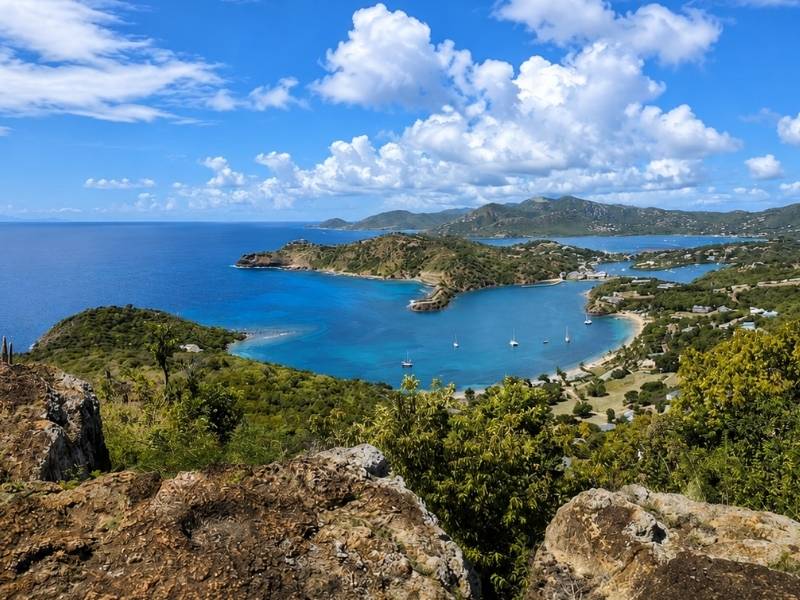
Both are lovely, and the honest answer is that they suit different travelers. Antigua wins on beaches and scenery: 365 mostly quiet coves, green hills, world-class sailing and reefs you reach by boat. Aruba wins on dependable weather and a livelier resort strip, sitting essentially outside the hurricane belt with near-guaranteed sun. For beach variety and boat days, Antigua edges it.
Booking Choice: Circle Antigua by powerboat, meet stingrays and swim at the Pillars of Hercules and Rendezvous Bay. Check Dates: Xtreme Island Circumnavigation
Aruba is a small, flat island in the far south of the Caribbean, a short hop off the coast of Venezuela and famously arid. Antigua sits up in the Leeward Islands, greener and hillier, its shoreline crumpled into bay after bay by old volcanic headlands. Where you should land depends less on which island is objectively nicer and more on the week you have in mind. Here is how the two stack up on the things that actually decide a trip.
| Feature | Antigua | Aruba |
|---|---|---|
| Terrain | Green, hilly, volcanic | Flat, arid, desert-like |
| Beaches | Around 365, spread over five coasts | Fewer, headlined by Eagle and Palm |
| Signature sea | Sailing, reefs, boat-only coves | Calm leeward swimming, wreck diving |
| Weather | Warm, with a real rainy and hurricane season | Very dry, sunny, largely outside the belt |
| Scene | Quieter, yachty, spread out | Livelier resort strip, casinos |
| Getting around | Car or guided tours suit it best | Compact, easy buses and taxis |
| Money | Eastern Caribbean dollar, USD accepted | Aruban florin, USD accepted |
Antigua vs Aruba, at a glance
A read on each island's character rather than a scored contest: Antigua leads on beaches, sailing and scenery; Aruba on dry weather and resort buzz.
Beaches: 365 Coves Versus Two Famous Strands
Antigua has far more beaches and far more variety. Its 365 coves, roughly a beach for every day of the year, spread across five coasts that run from calm leeward sand to wild Atlantic surf. Aruba has fewer beaches, but its headline pair, Eagle Beach and Palm Beach, are long, wide and genuinely lovely. For choice, Antigua wins; for two dependable strands, Aruba delivers.
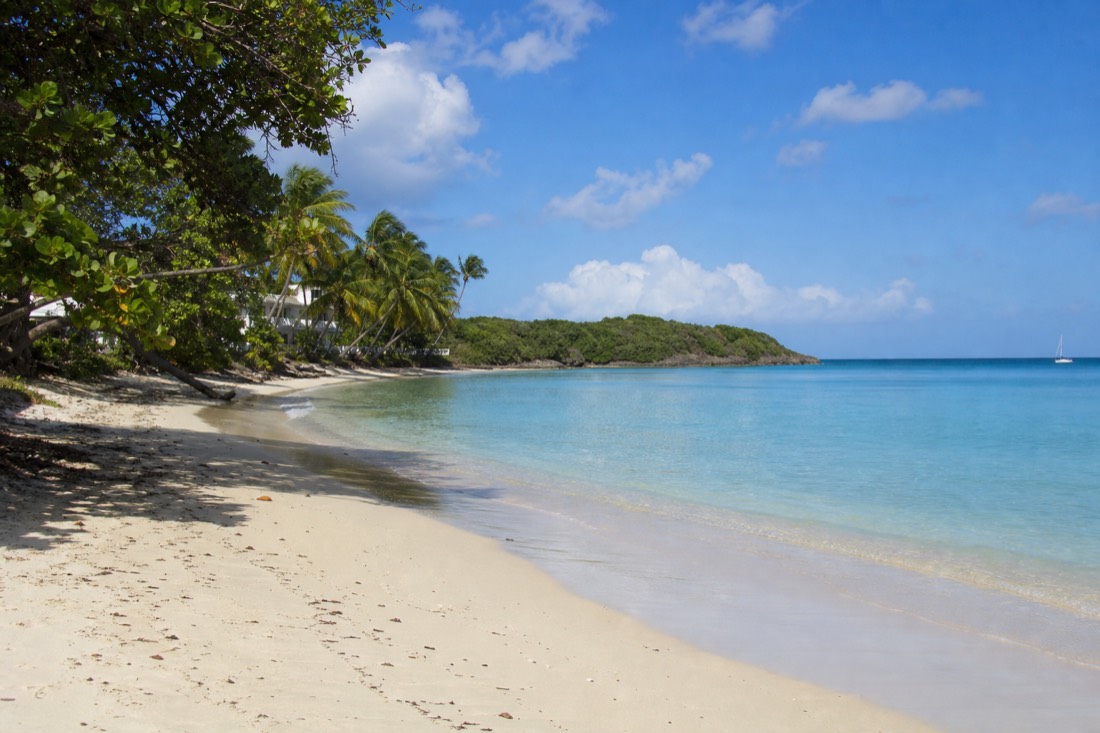
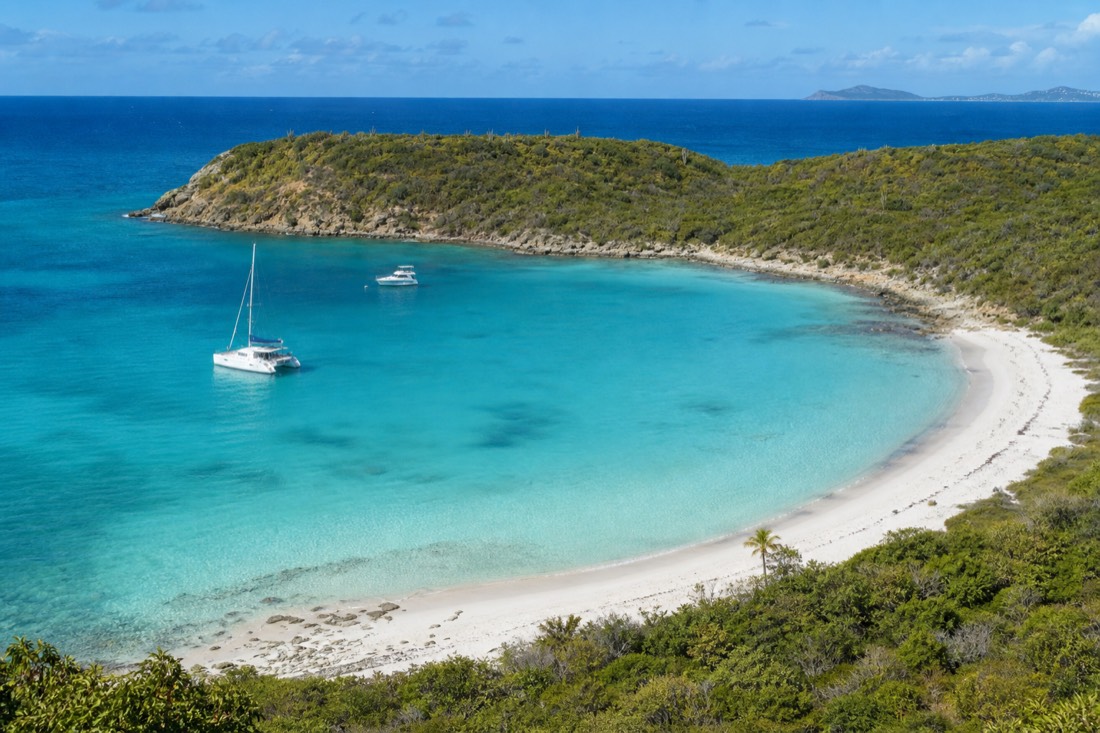
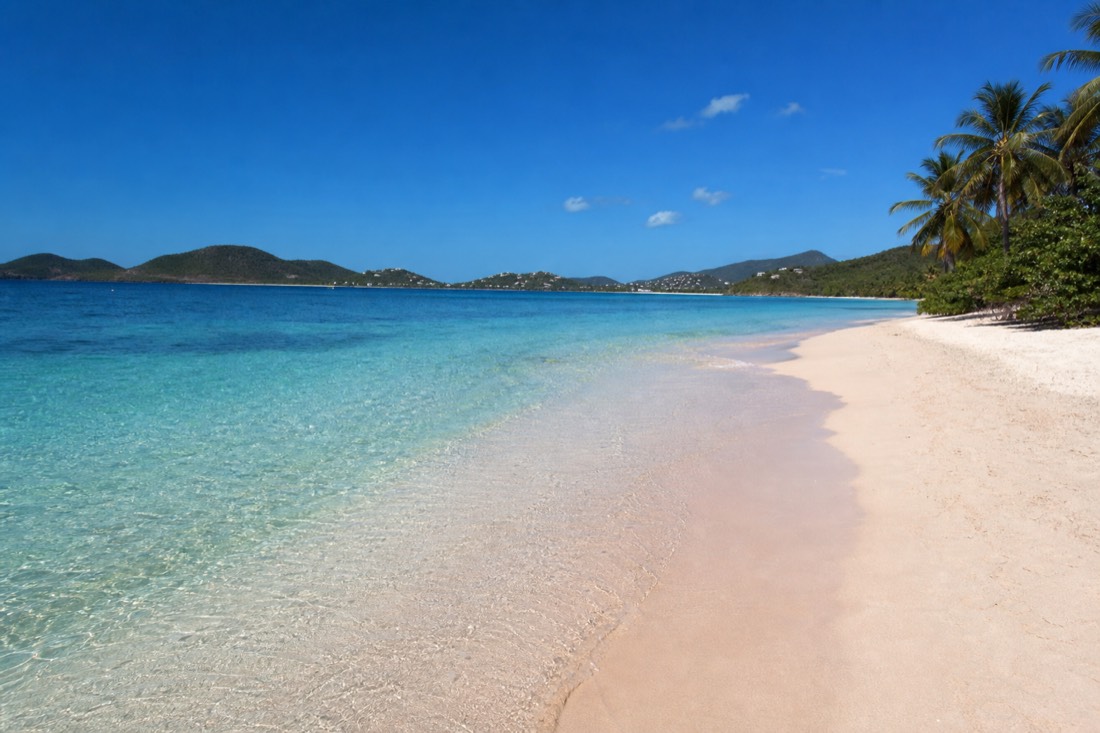
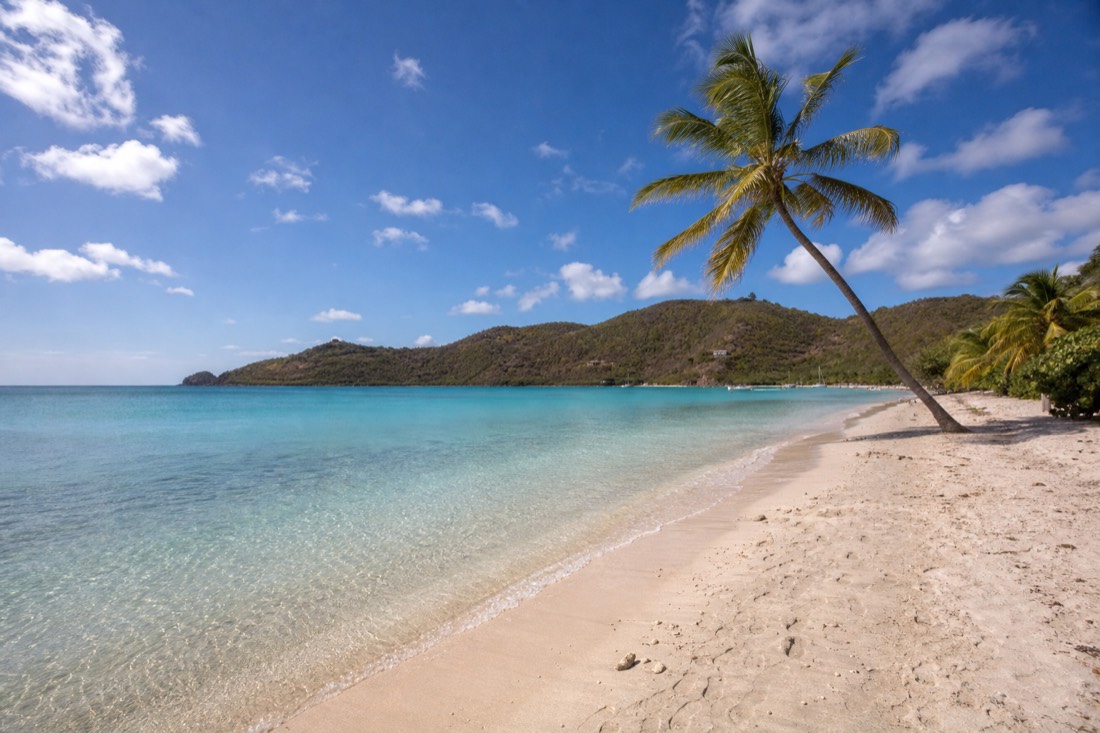
The difference is really about geography. Antigua is low and crinkled, so a short drive carries you from a busy resort strip to a cove where the only footprints are your own. You can sample calm north-coast sand at Dickenson Bay, reef-sheltered swimming at Darkwood and Morris Bay, and a roadless boat-only beach like Rendezvous Bay all in one trip. If beach-hopping is the point of your holiday, that range is hard to match.
Aruba concentrates its beauty. Eagle Beach is a broad, soft, uncrowded sweep that regularly turns up on world's-best-beach lists, and Palm Beach is the calm, resort-lined strip beside it. The water is clear and gentle, the sand is powder-white, and it is all easy to reach. What you trade is variety: the island is drier and flatter, so you will not find the same wild windward drama or the hidden green coves that define Antigua.
One nuance is worth weighing. Aruba's beaches stay consistently calm because the whole leeward coast faces the same sheltered direction, so you rarely gamble on conditions. Antigua's variety is the flip side of less predictability, since the right beach shifts with the wind and the wilder east coast can be rough. If you like knowing the water will be flat wherever you land, that counts for Aruba. If you enjoy picking a different cove each morning and reading the wind, that counts for Antigua.
| Beaches | Antigua | Aruba |
|---|---|---|
| How many | Around 365, a beach a day | A handful of famous strands |
| Calmest swimming | Dickenson, Ffryes, Darkwood, Morris Bay | Eagle Beach, Palm Beach, Baby Beach |
| Variety | Five coasts, calm to Atlantic surf | Mostly calm leeward, a wilder north |
| Solitude | Boat-only coves like Rendezvous, Green Island | Busier, more built up |
| Development | Spread out, many beaches undeveloped | Palm Beach high-rise strip |
Weather, Wind And Rain
Aruba wins for dry, reliable weather. It is one of the driest islands in the Caribbean and sits essentially outside the hurricane belt, so sun is close to a sure thing all year. Antigua is greener precisely because it catches more rain, and it does have a genuine Atlantic hurricane season from June to November. Steady trade winds keep both islands comfortable in the heat.
If your holiday hinges on weather insurance, that gap matters. Aruba's position in the southern Caribbean puts it below the main hurricane track, and its desert climate means brief showers rather than washed-out days. This is why it draws so many September and October weddings, when islands further north are watching the forecast. Cactus and wind-bent divi-divi trees, not rainforest, set the scene.
Antigua is warm and sunny for most of the year too, but honesty matters here: the wetter, stormier stretch runs from late summer into autumn, and the greenery you see is the payoff for that rain. The reliable window is the December-to-April dry season, when the island is at its best. If timing is flexible, plan around that; our guide to the best months to visit Antigua breaks down the trade-offs season by season.
| Weather | Antigua | Aruba |
|---|---|---|
| Climate | Tropical, noticeably greener | Semi-arid, desert-like |
| Rain | A wetter season Sep to Nov | One of the driest islands |
| Hurricane belt | Yes, season Jun to Nov | Essentially outside it |
| Best months | Dec to Apr dry season | Almost any month |
| Wind | Steady trades, calm leeward side | Constant, sometimes strong trades |
The Sea, Sailing And Reefs
Antigua is a sailor's island. It ranks among the Caribbean's great sailing centres, with a folded coastline of protected harbours, reefs and coves reachable only by boat. Aruba's sea is calmer and clearer right off the sand, better suited to easy swimming and wreck diving than to island-hopping under sail. If you daydream about boat days, Antigua simply has more of them.
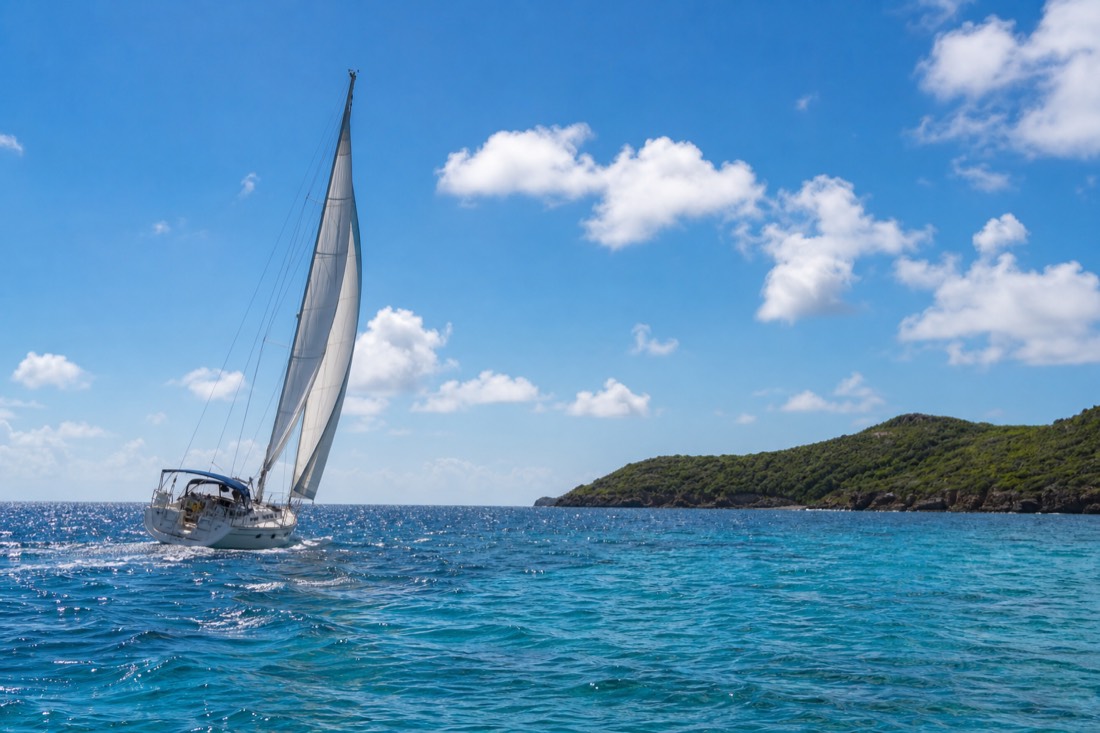
Antigua's yachting heritage is centuries deep, anchored at English Harbour, whose restored Nelson's Dockyard is a UNESCO World Heritage Site. That same crinkled coast gives you Cades Reef inside a protected marine park, the Pillars of Hercules snorkeling swim, and remote landings the road never reaches. You can taste that on the water yourself on a trip where you pilot your own small reef boat out to Cades Reef, or see the harbours and hills from land on a guided round-island tour that links the dockyard with Shirley Heights.
Aruba answers with warm, glass-calm leeward water and some of the region's best wreck diving, including the Antilla, a large World War II-era freighter that rests in shallow water off the coast. For snorkelers and divers who want easy, dependable conditions close to shore, that is a real strength. What it does not offer is the sheer number of sail-away coves and reef stops that make Antigua feel like an island you explore by boat.
Vibe, Crowds And Nightlife
Aruba is livelier and more built up. Palm Beach is a run of high-rise resorts with casinos, restaurants and a proper after-dark scene, and the whole island is compact and easy. Antigua is quieter and more spread out, its luxury low-slung and its evenings gentler. Choose Aruba if you want buzz and choice at night, Antigua if you want calm and space.
The atmosphere follows the map. Aruba packs its energy into the Palm Beach strip, so restaurants, bars, shopping and casinos sit within an easy stroll, and the island has built a reputation as one of the Caribbean's most reliably upbeat destinations. Cruise arrivals feed Oranjestad's shops and the strip stays busy into the evening. If you like a holiday with a pulse, that concentration is a plus.
Antigua spreads out instead. Development is scattered across many bays, the resorts tend to be smaller, and the nightlife is more about a beach bar, a sundowner and the famous Sunday party at Shirley Heights than a strip of clubs. It suits travelers who want to unwind rather than go out. Neither approach is wrong; they just draw different crowds.
Families tend to split along the same lines. Aruba's compact strip, calm shallows and steady run of activities make it low-effort with young children, while Antigua rewards families who like to get out and explore by boat or car. Honeymooners can find seclusion on either, though Antigua's roadless coves and yacht-lined harbours lean toward quiet, and Aruba toward polished resort romance with dinner and a show within walking distance.
Cost And Getting Around
Both islands take the US dollar happily, and neither is a budget choice. Aruba is small and walkable around the resort strip, with easy buses and taxis, so many visitors skip a rental car entirely. Antigua is more spread out, so a hire car or guided tours make far more sense for reaching its far-flung beaches, harbours and viewpoints.
On money, they are broadly comparable: both are mid-to-upper-priced Caribbean islands where dining and resorts add up quickly. Aruba prices many things in US dollars alongside the Aruban florin, while Antigua uses the Eastern Caribbean dollar with USD accepted almost everywhere. Treat any figure as a planning allowance and check current rates before you book.
Getting around is where the islands differ most in practice. On compact Aruba, the bus along the resort corridor and short taxi hops cover most needs. On Antigua, the good beaches are scattered, so you either rent a car or let someone else drive. A car-free favourite is an open-air tuk-tuk beach-hop through the rainforest and down to the southwest sands, and our guided day tours across the island bundle the transfers and timing so you spend the day at the coast rather than behind the wheel.
Which Island Is Better For Who?
Pick Antigua if you want beach variety, sailing and green scenery, and you do not mind a rental car. Pick Aruba if you want near-guaranteed sun, a compact resort base, casinos and nightlife, and you value calm, easy swimming over sheer choice. Families and honeymooners do well on either; the usual tie-breaker is weather insurance versus variety.
Think about what would ruin the trip if it went wrong. If a rainy stretch would sink your mood, Aruba's dry, out-of-the-belt climate is the safer bet. If a single strip of resorts would bore you, Antigua's scattered coves and boat days will feel richer. Couples chasing a specific vibe should look at the scene as much as the sand, and beach purists should read our rundown of Antigua's beaches ranked by coast before deciding.
| If you want... | Lean toward |
|---|---|
| The most beach variety and boat days | Antigua |
| Near-guaranteed dry sun | Aruba |
| Sailing and yachting heritage | Antigua |
| Casinos and a buzzy resort strip | Aruba |
| Quiet, undeveloped coves | Antigua |
| An easy, walkable resort base | Aruba |
| Green hills and rainforest drives | Antigua |
| Reliable autumn wedding weather | Aruba |
So, Antigua Or Aruba?
There is no universal winner. For the richest mix of beaches, boat trips and lush scenery, Antigua is the more rewarding island, which is why it edges this comparison. For pure weather insurance and an easy, lively resort holiday, Aruba is hard to beat. Match the island to the trip you actually want, and neither choice is a mistake.
Put simply, Antigua is the island of more: more beaches, more coastline to explore, more days that end with your feet in the water off a boat. Aruba is the island of reliable: reliable sun, a reliable strip of comforts, an easy week that rarely surprises you and rarely disappoints. If your ideal holiday is spent exploring coves and reefs by boat, plan your days with Antigua tours and let the sailing capital of the Leewards do what it does best.